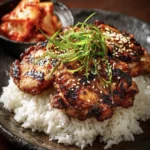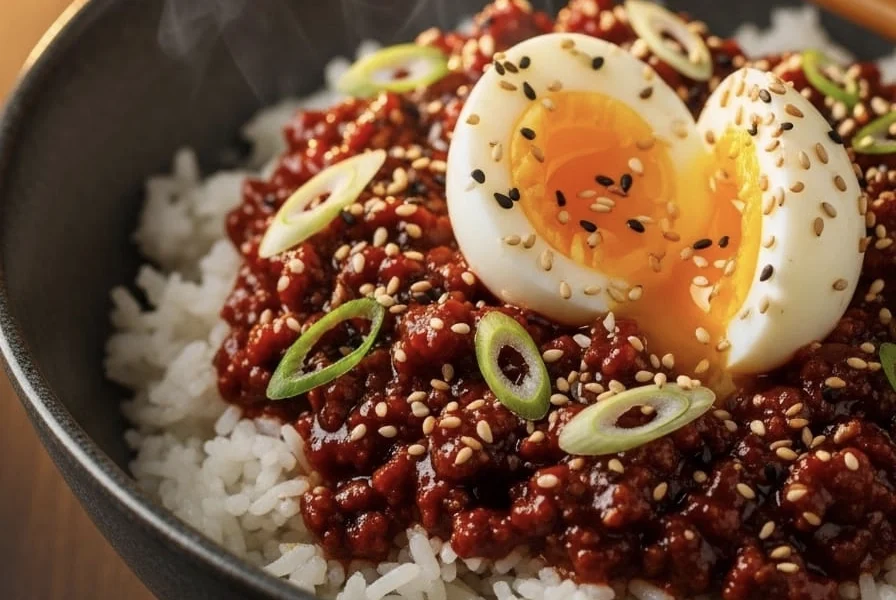
The internet has been calling it “boy kibble” and truly, I understand the appeal. A bowl of protein, rice, and a sauce that makes the whole thing taste far better than the effort involved would suggest. Filling, fast, satisfying. No fuss.
But here’s where I land on this: the idea is correct and the execution can be so much better than the name suggests. Because a Korean ground beef bowl – properly sauced with gochujang, soy, garlic, and sesame, finished with a soft egg and a scattering of scallions – is one of the genuinely great weeknight dinners. It happens to be fast. It happens to be high protein. It happens to be the kind of thing you’ll make on a Monday and think about again by Thursday.
Twenty minutes start to finish. One pan for the beef, one pot for the rice if you’re not using a rice cooker. The sauce comes together in a bowl while the beef cooks. A soft egg takes six minutes. Everything lands in a bowl at the same time and the result looks and tastes like something from a Korean restaurant, made entirely with things you can get at any supermarket.
This one earns a permanent spot in the weeknight rotation. I’ll be surprised if it doesn’t.
Why This Tastes Great
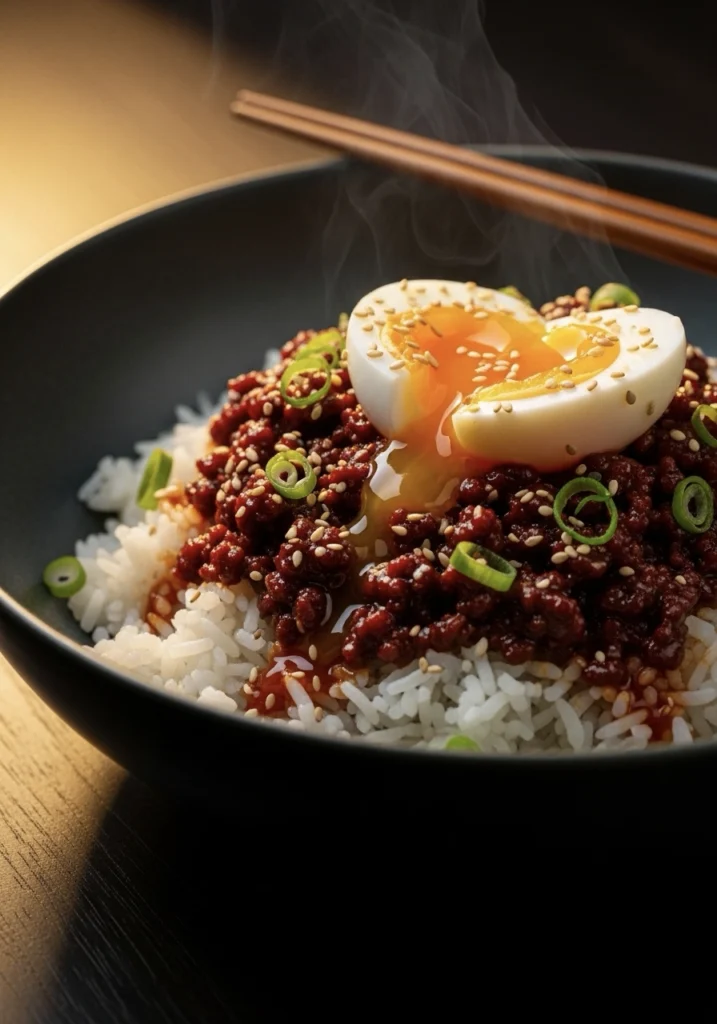
Gochujang is doing serious work here. It’s not just heat – it’s a fermented, slightly sweet, deeply savory paste that adds layers of flavor that soy sauce alone can’t replicate. A tablespoon in the sauce gives you warmth, depth, and a complexity that makes people ask what’s in this. You can find it in most supermarkets now in the Asian foods section or online, and once you have a jar it lasts for months.
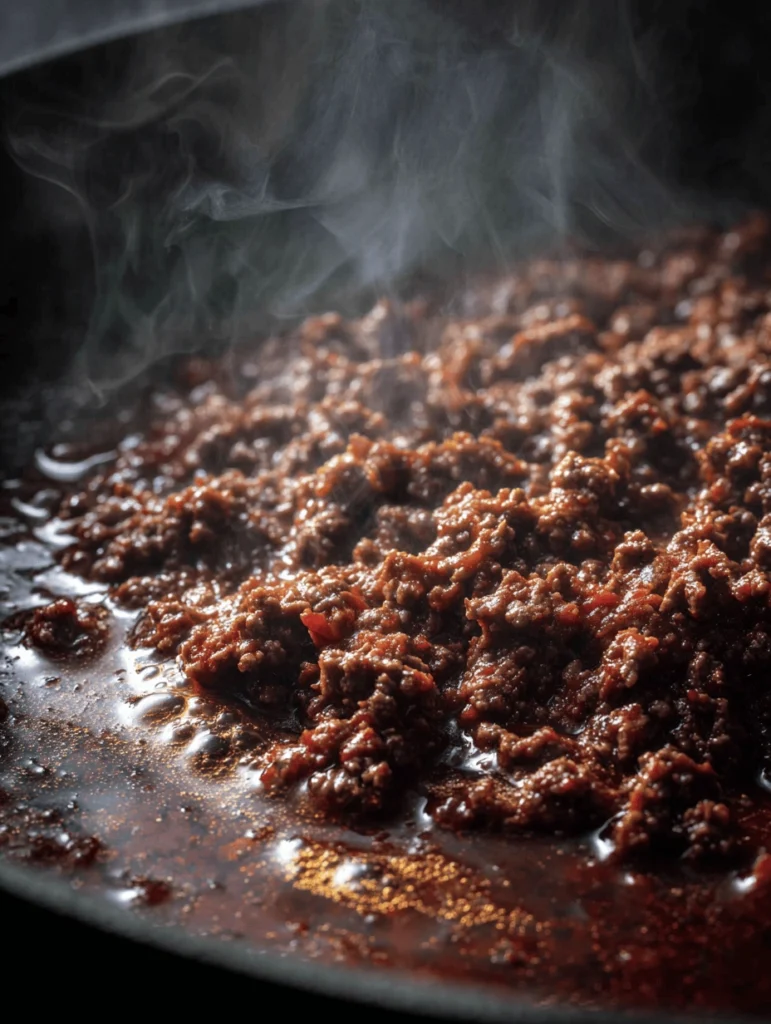
Ground beef gets properly caramelized. The key is not stirring too much. Let it sit in the pan long enough to get some color on the bottom before you break it up – that browning is where a huge amount of flavor lives. Wet, grey ground beef is the enemy of a great bowl. Dark, caramelized ground beef is the goal.
The sauce is sweet, salty, and spicy in exactly the right balance. Soy for salt and umami, brown sugar to balance the heat and add a slight caramel note, rice vinegar to cut through the richness, sesame oil at the end for fragrance. Each element is doing something specific and together they coat the beef in a glaze that’s genuinely addictive.
The soft egg transforms the whole bowl. The runny yolk breaks into the rice and beef and becomes part of the sauce. It’s rich, it adds creaminess, and it makes the bowl feel complete rather than just protein on rice. Six minutes in boiling water, straight into cold water, peeled carefully. Don’t skip it.
It reheats perfectly. The beef actually improves slightly overnight as the sauce absorbs. Make a double batch on Sunday and you have lunch for Monday and Tuesday sorted – better the second day than the first.
Equipment
- Large skillet or wok – for the beef. Wide base means more surface contact for browning.
- Small saucepan or rice cooker – for the rice.
- Small bowl – for mixing the sauce before it goes in.
- Small saucepan – for the soft eggs if using.
- Slotted spoon or chopsticks – for lowering eggs into boiling water gently.
Timing & Servings
Prep time – 5 minutes
Cook time – 15 minutes
Total time – 20 minutes
Servings – 2 (easily doubled for 4)
Difficulty – Very easy
Protein per serving – Approx 38g
Korean Ground Beef Bowl
Saucy, slightly spicy, ready in 20 minutes. The weeknight bowl that earns a permanent place in the rotation.
Ingredients (serves 2)
For the beef:
- 1 lb (450g) ground beef (80/20 for best flavor)
- 3 cloves garlic, minced
- 1 tsp fresh ginger, grated (or 1/2 tsp ground ginger)
- 1 tbsp neutral oil (vegetable or avocado)
For the sauce:
- 3 tbsp soy sauce (low-sodium works fine)
- 1 tbsp gochujang (Korean chili paste)
- 1 tbsp brown sugar
- 1 tbsp sesame oil
- 1 tsp rice vinegar
- 1/2 tsp red pepper flakes (optional – for extra heat)
To serve:
- 2 cups cooked white rice (jasmine or short grain)
- 2 soft-boiled eggs
- 3 scallions, thinly sliced
- 1 tbsp toasted sesame seeds
- Optional: sliced cucumber, shredded carrots, kimchi, sriracha
Method
- Mix the sauce: Combine soy sauce, gochujang, brown sugar, sesame oil, rice vinegar, and red pepper flakes in a small bowl. Stir until the sugar dissolves. Set aside.
- Soft eggs (if using): Bring a small pan of water to a boil. Lower eggs in gently and cook exactly 6 minutes. Transfer immediately to ice water for 2 minutes, then peel carefully. Set aside.
- Brown the beef: Heat oil in a large skillet over medium-high heat until shimmering. Add ground beef in one layer – don’t touch it for 2 minutes. Let it get some color on the bottom before breaking it up. Cook, breaking apart, until browned and cooked through, about 5-6 minutes total. Drain any excess fat if needed.
- Add aromatics: Push the beef to one side of the pan. Add garlic and ginger to the empty side and cook for 30 seconds until fragrant. Stir into the beef.
- Add the sauce: Pour the sauce over the beef and stir to coat everything evenly. Cook for 1-2 minutes until the sauce reduces slightly and glazes the meat. Taste and adjust – more gochujang for heat, more soy for salt, more sugar to balance.
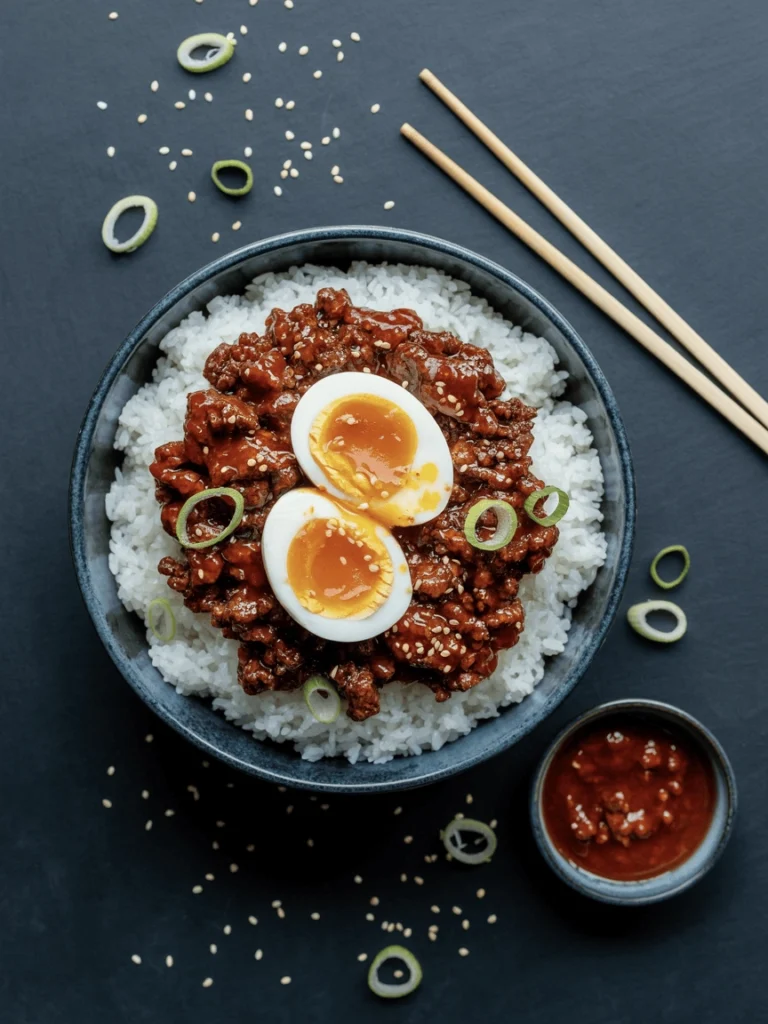
- Assemble: Divide rice between two bowls. Top with the sauced beef. Halve the soft eggs and place on top. Scatter with scallions and sesame seeds. Add any optional toppings.
Key Tips
Use 80/20 ground beef. The fat content is what gives you flavor and the caramelization that makes this recipe great. Lean ground beef (90/10 or higher) tends to cook up dry and grainy. If you only have lean beef, add an extra teaspoon of oil to the pan.
Don’t stir the beef immediately. Add it to a hot pan and leave it alone for at least 2 minutes before breaking it up. The browning that happens on the bottom is where the flavor is. Constantly stirring from the start gives you grey, steamed beef rather than caramelized beef. The difference in flavor is significant.
The soft egg timing is precise. Six minutes in boiling water gives you a fully set white and a jammy, slightly runny yolk. Five minutes is too loose, seven is fully set. Ice water immediately after stops the cooking. Once you’ve nailed this once you’ll use it for everything.
Find gochujang once and use it for everything. It’s in the Asian foods aisle of most large supermarkets, or online. A 500g tub lasts months in the fridge. Once you have it you’ll add it to everything – stir fries, marinades, roasted vegetables, noodle sauces. It’s one of those ingredients that makes everything better.
Use day-old rice if you have it. Freshly cooked rice has more moisture and can make the bowl slightly wet. Day-old rice from the fridge is drier and absorbs the beef sauce better. Not essential – freshly cooked works fine – but worth knowing for meal prep purposes.
Meal prep this easily. Double the beef recipe and store in an airtight container in the fridge for up to 4 days. Reheat in a pan with a splash of water for 2-3 minutes. Cook fresh rice and a fresh egg for each serving. Four lunches sorted in 20 minutes of active cooking.
Variations Worth Trying
- Ground turkey version: Swap the beef for ground turkey for a lighter bowl. Add an extra teaspoon of sesame oil to compensate for the lower fat content – turkey can dry out quickly.
- Extra vegetables: Add a handful of frozen edamame, sliced snap peas, or shredded zucchini to the pan in the last 2 minutes of cooking. They cook quickly and add color, texture, and nutrition without changing the flavor profile.
- Spicy version: Double the gochujang and add a drizzle of sriracha on top. Serve with extra sliced cucumber on the side to cool things down.
- Noodle bowl version: Swap the rice for cooked ramen noodles or udon. Toss the noodles directly in the pan with the sauced beef for 1 minute so they absorb the sauce.
- Bibimbap-style: Add blanched spinach, julienned carrots, and sliced mushrooms alongside the beef. Each topping placed separately on the rice rather than mixed – the traditional Korean presentation that looks stunning in a bowl.
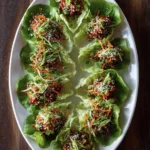
- Lettuce wrap version: Skip the rice entirely. Serve the beef in butter lettuce cups topped with shredded carrots, cucumber, and sesame seeds. Lower carb, just as satisfying.
Storage & Meal Prep
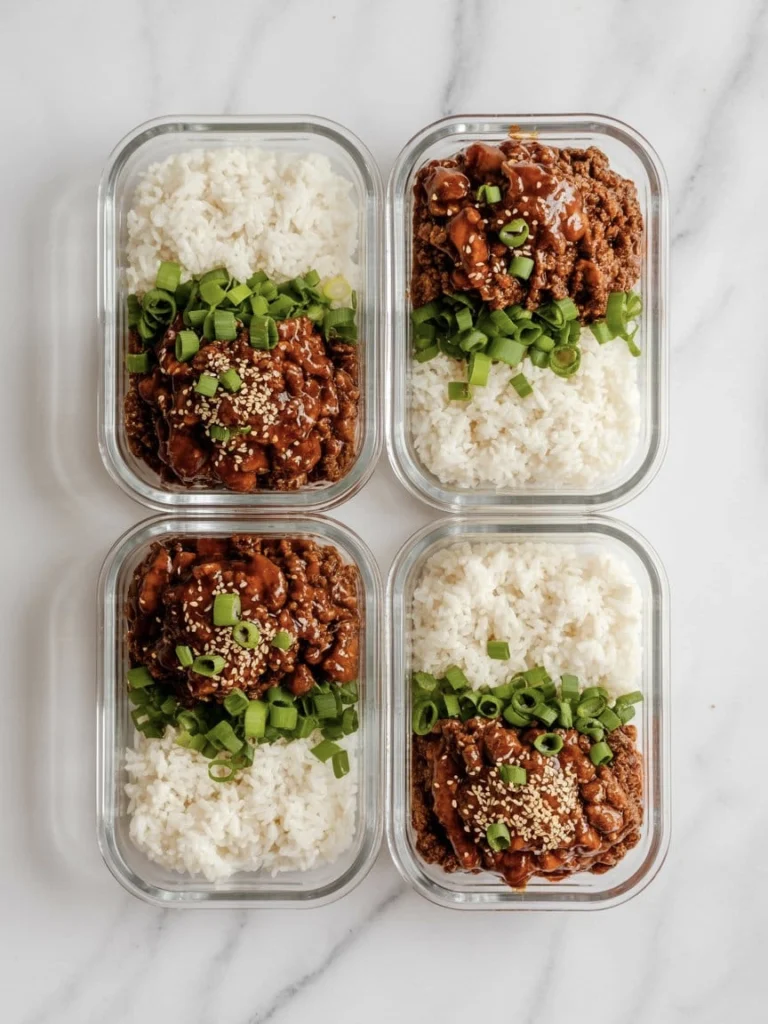
Fridge: The cooked beef keeps in an airtight container for up to 4 days. The flavor actually improves as the sauce absorbs overnight. Reheat in a pan over medium heat with a splash of water or soy sauce.
Freezer: The beef freezes well for up to 3 months. Freeze in portions, defrost overnight in the fridge, and reheat in a pan. Don’t freeze with the rice – cook that fresh.
Meal prep approach: Make a double batch of beef on Sunday. Portion into containers with rice. Add fresh eggs and toppings at serving time. Four high-protein lunches ready in 20 minutes of cooking.
Frequently Asked Questions
What is gochujang and where do I find it? Gochujang is a Korean fermented chili paste – savory, slightly sweet, moderately spicy, and deeply flavorful. It’s widely available now in the Asian foods aisle of most large supermarkets (Walmart, Target, Whole Foods, most grocery chains). It comes in a small red tub or a squeeze bottle. Once opened it keeps in the fridge for months.
How spicy is this? With one tablespoon of gochujang it’s warm rather than hot – noticeable heat but very manageable for most people. Reduce to half a tablespoon for a mild version. Double it and add red pepper flakes for genuine heat. The brown sugar in the sauce balances the spice significantly.
Can I substitute something for gochujang? If you genuinely can’t find it, a mix of sriracha and a small amount of miso paste gets you in the right direction – use 1 teaspoon sriracha plus 1 teaspoon white miso as a rough substitute. It won’t be identical but it will still be good. Alternatively, order gochujang online – it’s worth having.
Is this the same as “boy kibble”? It’s the elevated version. The “boy kibble” trend is essentially ground beef, rice, and a simple sauce – fast, filling, high-protein. This recipe takes that exact format and makes it genuinely delicious rather than just functional. Same convenience, significantly better result.
Can I use ground chicken or turkey instead of beef? Yes – both work well. Ground turkey is the closest substitution in terms of texture. Add a little extra oil as both are leaner than beef and can dry out. The sauce is assertive enough to make both versions taste excellent.
What rice works best? Short-grain white rice or jasmine rice are both ideal – they’re slightly sticky which means they absorb the sauce well when the beef goes on top. Long-grain rice works but is a little drier. Brown rice works if you prefer it nutritionally – just adjust your timing as it takes longer to cook.
How do I get the perfect soft-boiled egg? Bring water to a full boil before adding the eggs. Lower them in gently with a spoon – adding cold eggs to boiling water cracks them if you drop them. Cook exactly 6 minutes, then transfer immediately to ice water for 2 minutes to stop the cooking. Peel carefully from the wider end. The white should be fully set and the yolk should be jammy and slightly runny in the center.
How much protein is in this bowl? A serving made with 8oz of 80/20 ground beef contains approximately 35-40g of protein before the egg. Add the soft-boiled egg and you’re at roughly 41-46g per bowl. It’s genuinely one of the most efficient high-protein weeknight meals you can make in under 20 minutes.
If you liked this recipe here are some more you will love
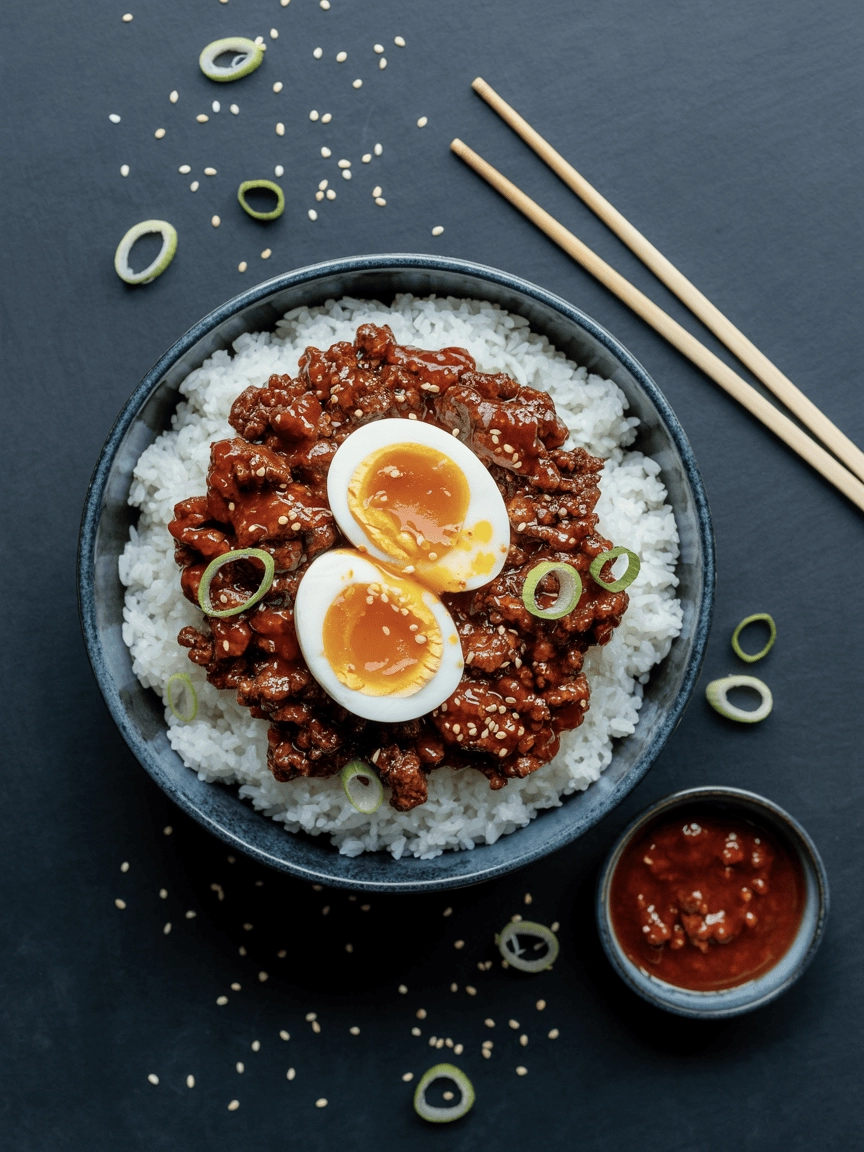
Korean Ground Beef Bowl That Tastes Like Takeout and Takes 20 Minutes Flat
Love it? Click to rate
Ingredients
Equipment
Method
- Mix the sauce: Combine soy sauce, gochujang, brown sugar, sesame oil, rice vinegar, and red pepper flakes in a small bowl. Stir until the sugar dissolves. Set aside.
- Soft eggs (if using): Bring a small pan of water to a boil. Lower eggs in gently and cook exactly 6 minutes. Transfer immediately to ice water for 2 minutes, then peel carefully. Set aside.
- Brown the beef: Heat oil in a large skillet over medium-high heat until shimmering. Add ground beef in one layer – don’t touch it for 2 minutes. Let it get some color on the bottom before breaking it up. Cook, breaking apart, until browned and cooked through, about 5-6 minutes total. Drain any excess fat if needed.
- Add aromatics: Push the beef to one side of the pan. Add garlic and ginger to the empty side and cook for 30 seconds until fragrant. Stir into the beef.
- Add the sauce: Pour the sauce over the beef and stir to coat everything evenly. Cook for 1-2 minutes until the sauce reduces slightly and glazes the meat. Taste and adjust – more gochujang for heat, more soy for salt, more sugar to balance.
- Assemble: Divide rice between two bowls. Top with the sauced beef. Halve the soft eggs and place on top. Scatter with scallions and sesame seeds. Add any optional toppings.
Nutrition
Notes
Key Tips
- Use 80/20 ground beef. The fat content is what gives you flavor and the caramelization that makes this recipe great. Lean ground beef (90/10 or higher) tends to cook up dry and grainy. If you only have lean beef, add an extra teaspoon of oil to the pan.
- Don’t stir the beef immediately. Add it to a hot pan and leave it alone for at least 2 minutes before breaking it up. The browning that happens on the bottom is where the flavor is. Constantly stirring from the start gives you grey, steamed beef rather than caramelized beef. The difference in flavor is significant.
- The soft egg timing is precise. Six minutes in boiling water gives you a fully set white and a jammy, slightly runny yolk. Five minutes is too loose, seven is fully set. Ice water immediately after stops the cooking. Once you’ve nailed this once you’ll use it for everything.
- Find gochujang once and use it for everything. It’s in the Asian foods aisle of most large supermarkets, or online. A 500g tub lasts months in the fridge. Once you have it you’ll add it to everything – stir fries, marinades, roasted vegetables, noodle sauces. It’s one of those ingredients that makes everything better.
- Use day-old rice if you have it. Freshly cooked rice has more moisture and can make the bowl slightly wet. Day-old rice from the fridge is drier and absorbs the beef sauce better. Not essential – freshly cooked works fine – but worth knowing for meal prep purposes.
- Meal prep this easily. Double the beef recipe and store in an airtight container in the fridge for up to 4 days. Reheat in a pan with a splash of water for 2-3 minutes. Cook fresh rice and a fresh egg for each serving. Four lunches sorted in 20 minutes of active cooking.
Variations Worth Trying
- Ground turkey version: Swap the beef for ground turkey for a lighter bowl. Add an extra teaspoon of sesame oil to compensate for the lower fat content – turkey can dry out quickly.
- Extra vegetables: Add a handful of frozen edamame, sliced snap peas, or shredded zucchini to the pan in the last 2 minutes of cooking. They cook quickly and add color, texture, and nutrition without changing the flavor profile.
- Spicy version: Double the gochujang and add a drizzle of sriracha on top. Serve with extra sliced cucumber on the side to cool things down.
- Noodle bowl version: Swap the rice for cooked ramen noodles or udon. Toss the noodles directly in the pan with the sauced beef for 1 minute so they absorb the sauce.
- Bibimbap-style: Add blanched spinach, julienned carrots, and sliced mushrooms alongside the beef. Each topping placed separately on the rice rather than mixed – the traditional Korean presentation that looks stunning in a bowl.
- Lettuce wrap version: Skip the rice entirely. Serve the beef in butter lettuce cups topped with shredded carrots, cucumber, and sesame seeds. Lower carb, just as satisfying.
Storage & Meal Prep
- Fridge: The cooked beef keeps in an airtight container for up to 4 days. The flavor actually improves as the sauce absorbs overnight. Reheat in a pan over medium heat with a splash of water or soy sauce.
- Freezer: The beef freezes well for up to 3 months. Freeze in portions, defrost overnight in the fridge, and reheat in a pan. Don’t freeze with the rice – cook that fresh.
- Meal prep approach: Make a double batch of beef on Sunday. Portion into containers with rice. Add fresh eggs and toppings at serving time. Four high-protein lunches ready in 20 minutes of cooking.