
Let me tell you something – medieval themed parties are wildly underrated.
Every time I’ve done one, the atmosphere alone changes everything. Candles everywhere. Wooden boards. Big sharing platters. Rustic bread torn by hand. And suddenly people are leaning in, talking more, laughing louder, staying longer.
It feels cozy, dramatic, and just a little bit magical.
If you’re planning a medieval themed party, fantasy book club night, Renaissance gathering, or even something inspired by shows like Bridgerton or epic castle banquets, this list will help you build a feast that feels immersive but is still completely doable in a modern kitchen.
The Playlist: Game of Thrones and Medieval Feast Music
Game of Thrones did most of the work here, so I leaned into it. Ramin Djawadi’s score alongside other fantasy and medieval pieces, lutes and drums and the odd bit of choral. It’s atmosphere rather than anything you’d sit and listen to, which is the point. Ninety minutes, so it covers dinner without looping.
If you love immersive party themes, you might also enjoy the Harry Potter party menu, the Viking themed party food, or the Bridgerton party food roundup.
This medieval feast guide leans rustic, hearty, golden, and shareable.
Think:
• Slow-simmered stews
• Honey-roasted vegetables
• Warm spiced drinks
• Herb breads
• Candied nuts
• Gooey baked cheeses
Let’s build your castle table.
This post contains affiliate links. I only recommend products I genuinely use and love at no extra cost to you.
Spiced Ale in Goblets

This is the drink that sets the tone for the whole table. Warm ale simmered with cinnamon, cloves, nutmeg, and orange slices smells incredible as it heats up – guests will smell it before they even sit down. It’s non-alcoholic enough to serve to most people as written, but the optional splash of brandy turns it into something properly warming for a winter gathering. Serve it in the most ornate goblets you can find.
Ingredients
- 4 cups of ale or beer
- 1/4 cup honey
- 2 cinnamon sticks
- 3-4 whole cloves
- 1/4 teaspoon ground nutmeg
- 1 orange, sliced
- Optional: a splash of brandy or whiskey
Instructions
- Combine all ingredients in a pot over medium heat. Stir gently until the honey dissolves.
- Allow the mixture to heat but do not boil. Let it simmer for about 10-15 minutes to infuse the flavors.
- Remove from heat and strain the ale into goblets, discarding the spices and orange slices.
- Serve warm, garnished with a slice of orange or a cinnamon stick for added flair.
Tip: Experiment with different spices to find your perfect blend. If you prefer a sweeter ale, add more honey. For a stronger drink, include the optional splash of brandy or whiskey.
Savory Porridge with Wild Game
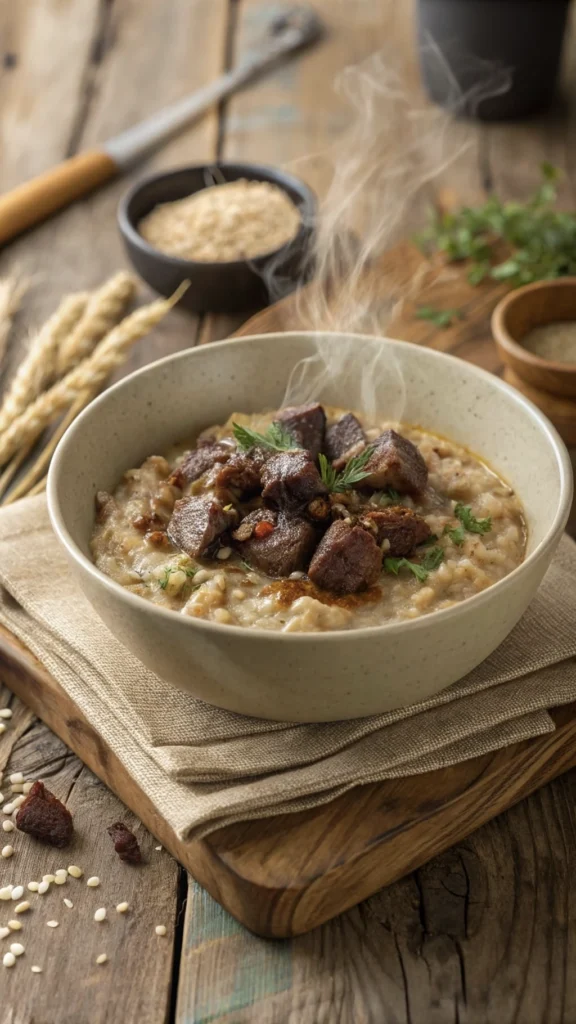
Pottage – grain cooked in broth with meat and herbs – was the backbone of medieval cooking for most of the population. This version uses barley or oats with venison or rabbit and leans into the rosemary and thyme that would have been common in a medieval kitchen. It’s the kind of dish that gets better the longer it sits, so it works well made ahead and kept warm. Serve it in deep bowls with a piece of herb bread on the side for the full effect.
Ingredients
- 1 cup barley or oats
- 4 cups chicken or vegetable broth
- 1 pound wild game (venison or rabbit), cubed
- 1 onion, chopped
- 2 cloves garlic, minced
- 1 teaspoon thyme
- 1 teaspoon rosemary
- Salt and pepper to taste
- Fresh parsley for garnish
Instructions
- Cook the Grains: In a pot, bring the broth to a boil. Add the barley or oats and reduce the heat to a simmer. Cook according to package instructions, stirring occasionally, until tender.
- Prepare the Wild Game: In a separate pan, heat a little oil over medium heat. Add the chopped onion and garlic, sautéing until fragrant. Add the cubed wild game, thyme, rosemary, salt, and pepper. Cook until the meat is browned and cooked through.
- Combine: Once the grains are cooked, stir in the wild game mixture. Adjust seasoning as needed.
- Serve: Spoon the porridge into bowls and garnish with fresh parsley for a pop of color.
Tips: For added depth of flavor, consider marinating the wild game in herbs or spices a few hours before cooking. Experiment with different grains based on your preference, and don’t shy away from adding your favorite vegetables for extra nutrition!
Honeyed Fruit Platters
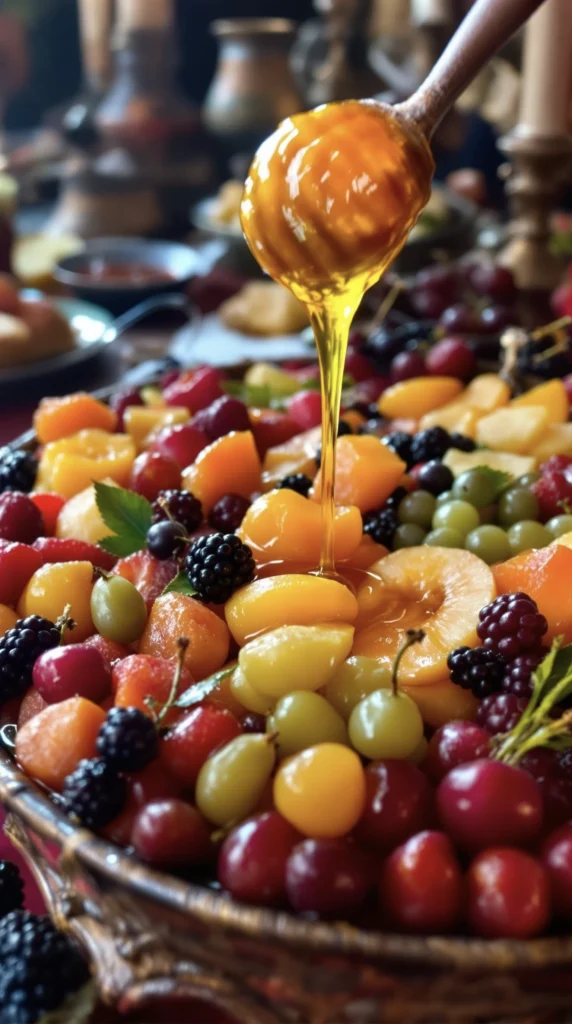
Fresh fruit with honey was one of the few sweet courses at a medieval feast – sugar was expensive and rare, so honey did almost all the sweetening. This platter is the easiest thing on the whole table to put together, and it earns its place by providing something light and bright against all the heavier meat and bread dishes. Use whatever fruit is actually in season – the medieval approach was always to work with what was available rather than sourcing things from far away.
Ingredients
- 2 cups strawberries, hulled and halved
- 2 cups blueberries
- 2 cups raspberries
- 2 cups sliced peaches
- 2 cups mandarin orange segments
- 1/2 cup honey
- Fresh mint leaves for garnish
Instructions
- Prepare the Fruit: Wash all the fruits thoroughly. Slice the strawberries and peaches into bite-sized pieces.
- Assemble the Platter: On a large wooden or ceramic platter, arrange the strawberries, blueberries, raspberries, peaches, and mandarin oranges in sections for a colorful presentation.
- Drizzle with Honey: Carefully drizzle the honey over the arranged fruits, ensuring even coverage. You can adjust the amount of honey based on your sweetness preference.
- Garnish: Add fresh mint leaves around the platter for an extra touch of color and freshness.
- Serve: Allow the platter to sit for a few minutes before serving, letting the flavors meld together.
Tips: Use a variety of fruits for a colorful display. Consider adding nuts or cheese on the side for extra textures and flavors. To keep the fruits fresh, serve the platter close to mealtime.
Vegetable Tarts with Seasonal Produce
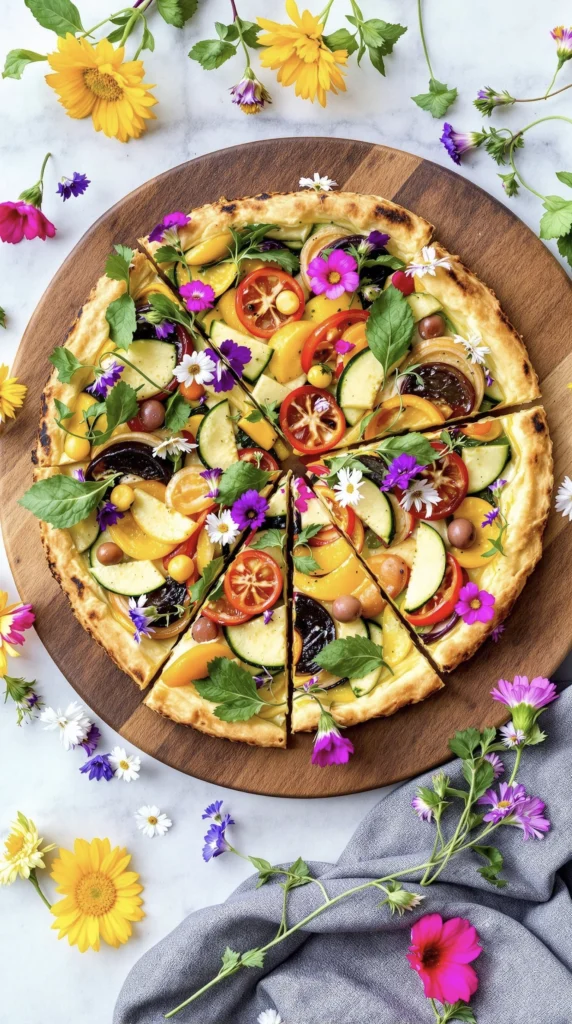
Tarts – both sweet and savory – were a staple of medieval cooking because the pastry crust acted as an edible cooking vessel as much as a food in itself. This version fills a flaky pastry shell with ricotta, egg, parmesan, and whatever vegetables you have on hand. It works at room temperature, which makes it genuinely practical for a party spread where not everything can stay hot. Cut into wedges and arrange on a wooden board for the right aesthetic.
Ingredients
- 1 pre-made pie crust
- 2 cups seasonal vegetables (e.g., zucchini, cherry tomatoes, and broccoli)
- 1 cup ricotta cheese
- 2 large eggs
- 1/2 cup grated Parmesan cheese
- Salt and pepper to taste
- Fresh herbs (such as thyme or basil) for garnish
Instructions
- Preheat the oven to 375°F (190°C).
- Roll out the pie crust in a tart pan and prick the bottom with a fork. Bake for 10 minutes until lightly golden.
- In a bowl, mix the ricotta, eggs, Parmesan, salt, and pepper until combined.
- Spread the ricotta mixture evenly over the pre-baked crust.
- Arrange the sliced vegetables artfully on top of the ricotta filling.
- Bake for an additional 25-30 minutes or until the vegetables are tender and the filling is set.
- Remove from the oven and let it cool slightly. Garnish with fresh herbs before serving.
Tips: Use whatever vegetables are in season for the freshest flavor. You can also make the crust from scratch if you’re feeling adventurous, and sprinkling some herbs or spices on top before baking can enhance the taste.
Roasted Meats on Skewers
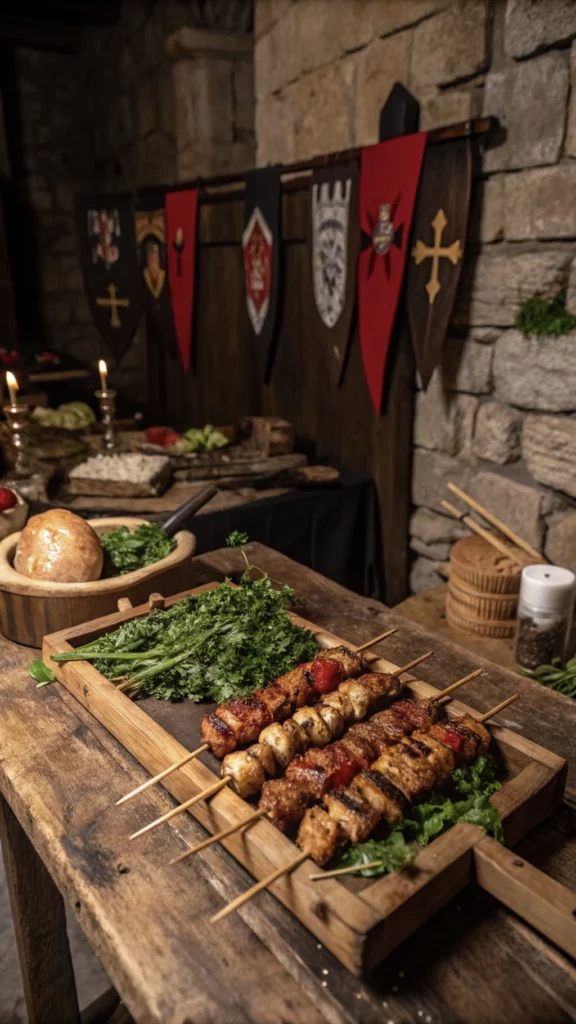
Meat cooked directly over fire on a skewer is about as authentically medieval as it gets. This marinade – olive oil, soy sauce, garlic, honey, thyme, and paprika – is a modern interpretation rather than a strict historical recreation, but it produces the kind of sticky, slightly charred result that works perfectly on a rustic party spread. Chicken thighs hold up better than breast meat here, and beef works well too. Make more than you think you need – these go fast.
Ingredients
- 2 pounds of chicken or beef, cut into 1-inch cubes
- 1/4 cup olive oil
- 3 tablespoons soy sauce
- 3 cloves garlic, minced
- 1 tablespoon honey
- 2 teaspoons dried thyme
- 2 teaspoons paprika
- Salt and pepper to taste
- Wooden skewers, soaked in water
Instructions
- Marinate the Meat: In a large bowl, mix olive oil, soy sauce, garlic, honey, thyme, paprika, salt, and pepper. Add the meat cubes, ensuring they are well coated. Cover and refrigerate for at least 30 minutes.
- Prepare the Skewers: Preheat your grill to medium-high heat. While the grill heats up, thread the marinated meat onto the soaked wooden skewers.
- Grill the Skewers: Place the skewers on the grill and cook for about 10-15 minutes, turning occasionally until the meat is cooked through and has nice grill marks.
- Serve and Enjoy: Remove from the grill and let rest for a few minutes before serving. Pair with your favorite dipping sauces or side dishes for a delightful meal.
Tips: To add extra flavor, consider adding vegetables like bell peppers, onions, or cherry tomatoes to the skewers. Soaking the wooden skewers in water prevents them from burning on the grill. Enjoy your feast!
Quick Quiz!
Which Medieval Feast Role Are You?
Answer 6 questions and discover your place at the banquet table – plus the feast foods made for you.
Herb-Crusted Bread Loaves
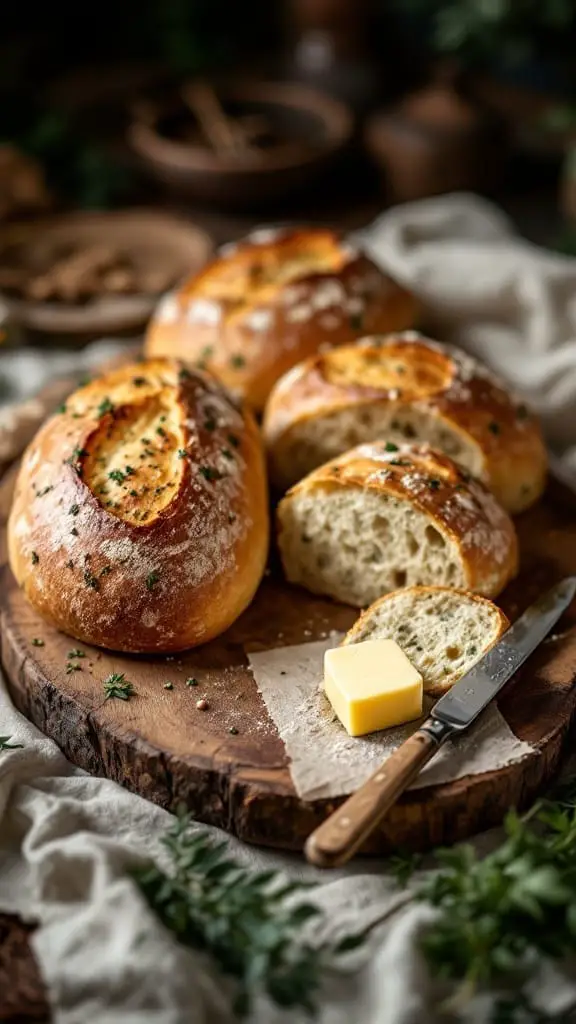
Bread was the centerpiece of a medieval table in a way it rarely is now – it was torn by hand, used to scoop up stews, and the quality of the loaf said something about the household. These herb-crusted loaves are genuinely straightforward to make and the oregano, thyme, and parsley give them an aroma that fills the kitchen as they bake. Make them the day of the party if you can – fresh bread warm from the oven alongside the cheese spread is one of the best combinations on this whole list.
Ingredients
- 4 cups all-purpose flour
- 2 teaspoons salt
- 1 tablespoon sugar
- 2 1/4 teaspoons active dry yeast
- 1 1/2 cups warm water (110°F or 43°C)
- 2 tablespoons olive oil
- 1 tablespoon dried oregano
- 1 tablespoon dried thyme
- 1 tablespoon chopped fresh parsley
- 1 egg (for egg wash)
Instructions
- Prepare the Dough: In a large bowl, combine warm water, sugar, and yeast. Let it sit for about 5 minutes until foamy. Add the olive oil, salt, and herbs, then gradually add flour, mixing until a soft dough forms.
- Knead the Dough: Turn the dough onto a floured surface and knead for about 8-10 minutes until smooth and elastic. Place it in a greased bowl, cover it, and let it rise in a warm place until doubled in size, about 1 hour.
- Shape the Loaves: Punch down the dough and divide it into two equal portions. Shape each portion into a loaf and place them on a baking sheet lined with parchment paper. Cover and let rise for another 30 minutes.
- Preheat the Oven: While the loaves are rising, preheat your oven to 375°F (190°C).
- Egg Wash: Beat the egg and brush it over the tops of the loaves for a shiny finish.
- Bake: Bake the loaves for 25-30 minutes until golden brown and hollow-sounding when tapped on the bottom. Cool on a wire rack before slicing.
Tips: For extra flavor, try adding roasted garlic or grated cheese to the dough. Serve warm with butter or a selection of cheeses for a delightful medieval feast!
Cheese and Herb Spreads
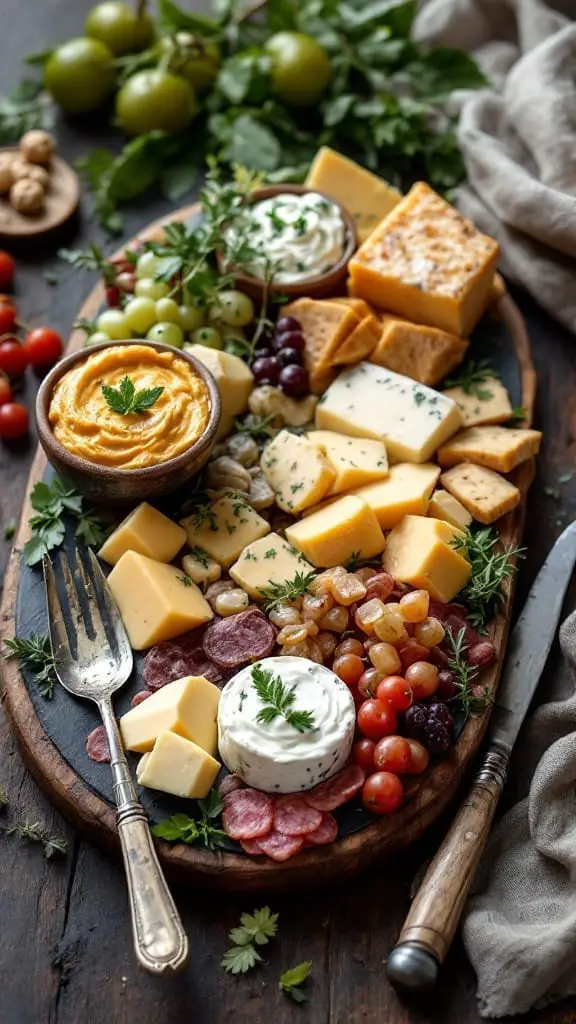
A creamy herb spread alongside the bread loaves gives people something to do while the hot dishes finish – it’s a good anchor for the table and disappears faster than almost anything else. The base here is cream cheese and sour cream with parsley, chives, garlic, and onion powder. It takes about five minutes and benefits from at least 30 minutes in the fridge so the flavors come together. If you want to lean into the medieval theme, serve it in a small clay pot or a rustic ceramic bowl rather than on a flat plate.
Ingredients
- 8 oz cream cheese, softened
- 1/2 cup sour cream
- 1 tablespoon fresh parsley, chopped
- 1 tablespoon fresh chives, chopped
- 1 teaspoon garlic powder
- 1 teaspoon onion powder
- Salt and pepper to taste
- Optional: red pepper flakes for a kick
Instructions
- In a mixing bowl, combine the softened cream cheese and sour cream. Blend until smooth.
- Add the parsley, chives, garlic powder, onion powder, salt, and pepper. Mix until well combined.
- If desired, stir in red pepper flakes for added heat.
- Transfer the spread to a serving bowl and refrigerate for at least 30 minutes to allow the flavors to meld.
- Serve with assorted breads, crackers, and fresh fruits.
Tips: Use room temperature ingredients for easier mixing. Feel free to experiment with different herbs or add a touch of lemon juice for additional flavor.
If you love shareable, scoopable party foods, don’t miss:
Best Ever Pimento Cheese Dip
Creamy Spinach And Artichoke Dip
Irresistible Game Day Appetizers
Stuffed Pies with Game Meat
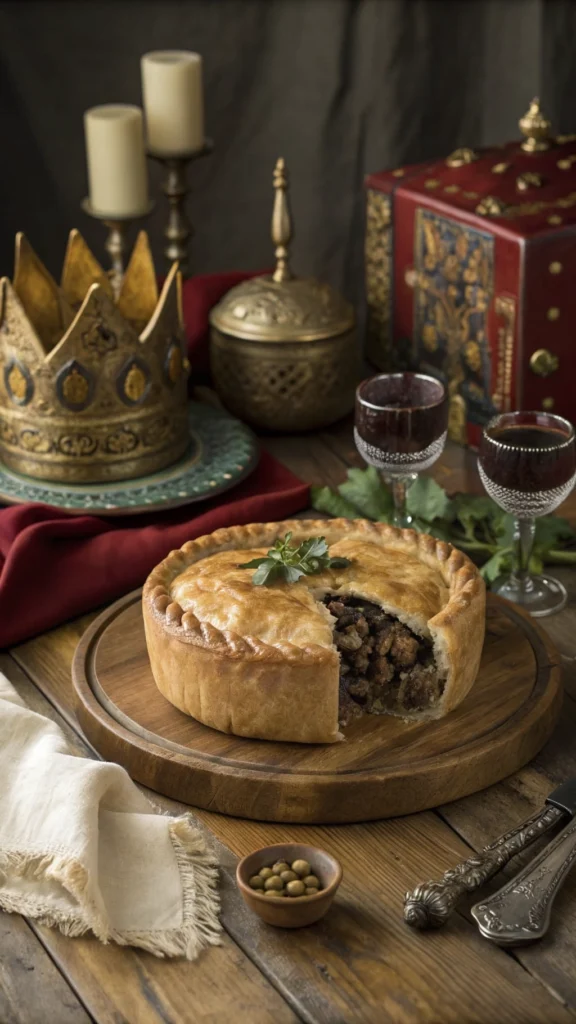
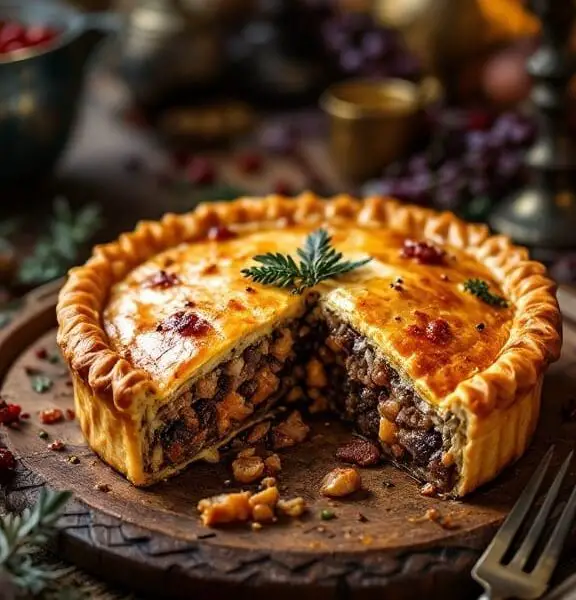
The stuffed pie is the showpiece of this whole spread. A buttery, flaky shortcrust pastry filled with venison, rabbit, or pheasant – or a combination – slow-cooked with onion, carrot, rosemary, and thyme. These take the most effort of anything on the table but they also get the most attention when they come out. Make the filling the day before and the dough in the morning to spread the work out. If game meat is hard to find, beef stew meat works well with the same spice profile – the result is less historically accurate but still excellent.
Ingredients
- 2 cups all-purpose flour
- 1/2 teaspoon salt
- 1/2 cup unsalted butter, cold and cubed
- 6-8 tablespoons cold water
- 1 pound mixed game meat (like venison, rabbit, or pheasant), finely diced
- 1 medium onion, chopped
- 2 cloves garlic, minced
- 1 carrot, finely diced
- 1 teaspoon dried thyme
- 1 teaspoon dried rosemary
- Salt and pepper to taste
- 1 egg, beaten (for egg wash)
Instructions
- Prepare the Dough: In a bowl, mix flour and salt. Cut in the cold butter until the mixture resembles coarse crumbs. Stir in cold water until the dough comes together. Wrap in plastic and chill for 30 minutes.
- Make the Filling: In a skillet over medium heat, sauté onion and garlic until soft. Add the game meat and cook until browned. Stir in carrot, thyme, rosemary, salt, and pepper. Remove from heat and let cool.
- Roll Out the Dough: Preheat your oven to 375°F (190°C). Roll out chilled dough on a floured surface to about 1/8 inch thick. Cut into circles large enough to fit in your pie dish.
- Assemble the Pies: Place one dough circle in each pie dish, fill with the meat mixture, and cover with another dough circle. Seal the edges with a fork and make a few slits on top for steam to escape. Brush with beaten egg.
- Bake: Place the pies on a baking sheet and bake for 30-35 minutes, or until golden brown. Let them cool slightly before serving.
Tips: Use a mix of game meats for a more complex flavor. Don’t rush the chilling process for the dough; it helps achieve a flaky crust. Serve these pies with a side of medieval-style mustard or a hearty salad for a complete meal!
Pickled Vegetables and Preserves
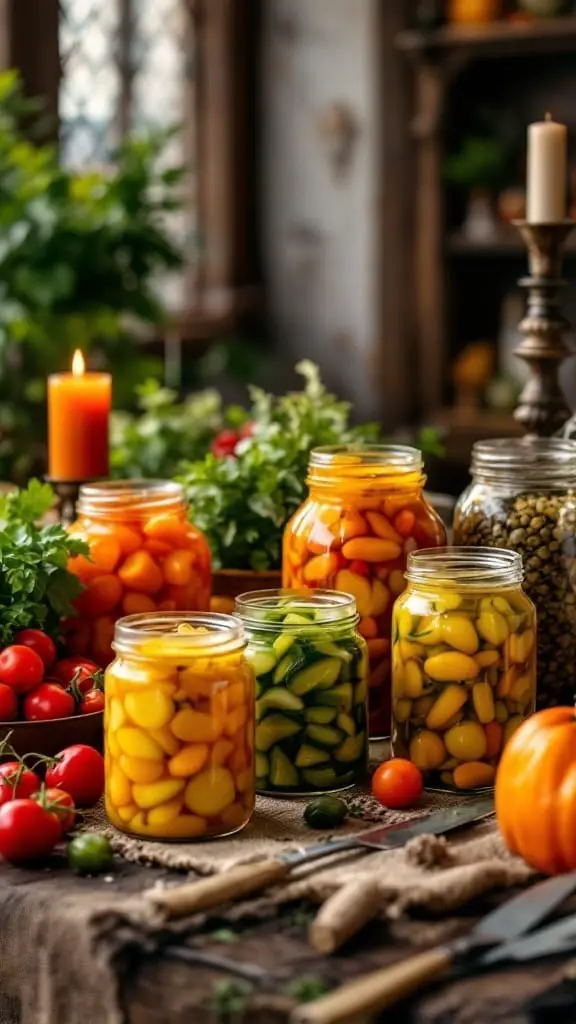
Pickling and preserving were how medieval households kept vegetables edible through winter, so a jar of pickled vegetables on the table is more historically authentic than it might look. The brine here – white vinegar, sugar, salt, mustard seeds, dill, and garlic – produces something sharp and crunchy that cuts through the richness of the meat dishes. Make these at least 24 hours ahead, ideally 48. They keep in the fridge for weeks and the flavor deepens the longer they sit.
Ingredients
- 2 cups sliced cucumbers
- 1 cup sliced carrots
- 1 cup sliced radishes
- 1 cup sliced bell peppers
- 1 cup white vinegar
- 1 cup water
- 1/2 cup sugar
- 1 tablespoon salt
- 2 cloves garlic, minced
- 1 teaspoon mustard seeds
- 1 teaspoon dill seeds
- 1/2 teaspoon red pepper flakes (optional)
Instructions
- Prepare the Vegetables: Wash and slice the vegetables into desired shapes.
- Make the Brine: In a saucepan, combine vinegar, water, sugar, salt, garlic, mustard seeds, dill seeds, and red pepper flakes. Bring to a boil, stirring until the sugar and salt dissolve.
- Pack the Jars: Place the sliced vegetables into sterilized jars, leaving some space at the top.
- Pour the Brine: Carefully pour the hot brine over the packed vegetables, ensuring they are fully submerged. Seal the jars with lids.
- Cool and Refrigerate: Allow the jars to cool to room temperature, then refrigerate. The pickles will be ready to enjoy after 24 hours, but the flavors will deepen over time.
Cook and Prep Times
- Prep Time: 20 minutes
- Cook Time: 10 minutes
- Total Time: 30 minutes plus refrigeration
Nutrition Information
- Servings: 4 jars
- Calories: 50kcal per serving
- Fat: 0g
- Protein: 0g
- Carbohydrates: 13g
Roasted Nuts and Dried Fruits
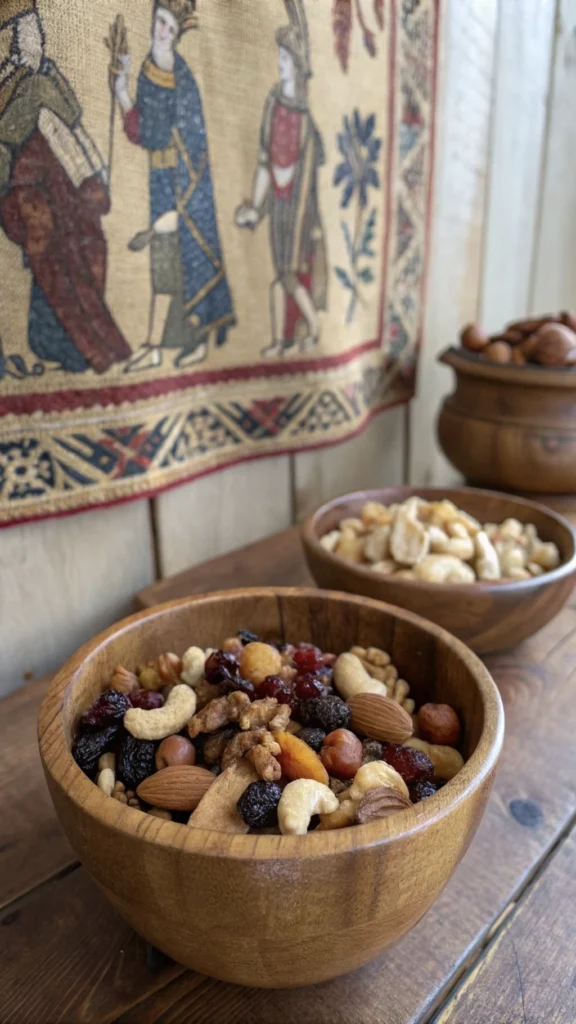
Nuts and dried fruits were a common feature of wealthier medieval tables – almonds in particular appeared in everything from savory sauces to sweet confections. This roasted mix with cinnamon, nutmeg, and a drizzle of honey is the easiest thing on the table to make and one of the hardest to stop eating. Put it out early as something for guests to pick at while everything else comes together. It also works as a take-home gift if you make extra – a small bag tied with twine fits the theme well.
Ingredients
- 2 cups mixed nuts (almonds, cashews, walnuts)
- 1 cup dried fruits (raisins, cranberries, apricots)
- 1 tablespoon olive oil
- 1 teaspoon cinnamon
- 1/4 teaspoon nutmeg
- 1/4 teaspoon salt
Instructions
- Preheat your oven to 350°F (175°C).
- In a large bowl, combine the mixed nuts and dried fruits.
- Drizzle with olive oil and sprinkle with cinnamon, nutmeg, and salt. Mix until everything is well coated.
- Spread the mixture evenly on a baking sheet.
- Roast in the oven for about 15-20 minutes, stirring occasionally until the nuts are golden brown.
- Let cool before serving. Enjoy your medieval snack!
Tip: Feel free to customize this recipe by adding your favorite spices or using different types of nuts and dried fruits. You can also add a drizzle of honey for an extra touch of sweetness!
Flavored Water Jugs with Herbs
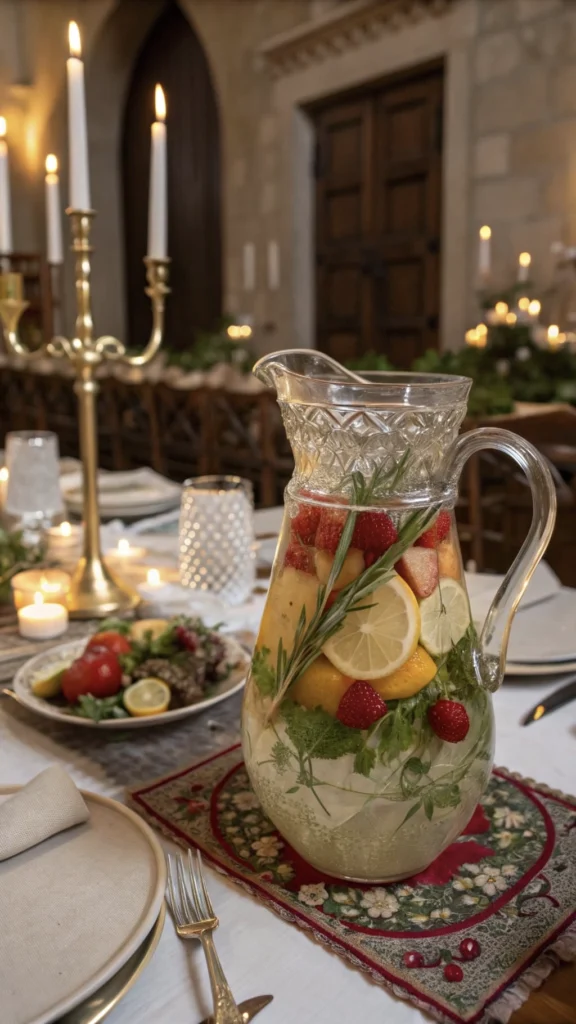
Flavored water jugs filled with herbs and fresh fruits are an easy addition to any medieval banquet. They not only look stunning but also provide a refreshing drink that complements the savory dishes. The combination of herbs like mint or basil with citrus fruits creates a light, invigorating flavor that’s perfect for guests of all ages.
Making these flavored water jugs is simple and can be a fun activity for everyone involved in the party planning. Just slice up some fruits, add a handful of herbs, and let them infuse in water for a few hours in the refrigerator. This easy-to-make drink will transport your guests straight to a castle feast!
Ingredients
- 1 pitcher of water
- 1 orange, sliced
- 1 lemon, sliced
- 1 cup fresh raspberries
- 1 cup fresh mint leaves
- 1 tablespoon honey (optional)
- Ice cubes (optional)
Instructions
- Prepare the Fruits: Wash the orange, lemon, and raspberries thoroughly. Slice the orange and lemon.
- Combine Ingredients: In a large pitcher, add the sliced fruits and fresh mint leaves. If you like a touch of sweetness, drizzle in some honey.
- Add Water: Fill the pitcher with water. If you prefer it chilled, add in some ice cubes.
- Infuse: Let the mixture sit in the refrigerator for at least 1-2 hours to allow the flavors to meld.
- Serve: Pour the flavored water into glasses and enjoy your refreshing drink at the medieval feast!
Tips: Experiment with different fruits and herbs based on your taste preferences. You can also add cucumber or berries for a unique twist!
Medieval Sweets and Pastries

When it comes to medieval-themed parties, sweets and pastries can truly steal the show. Imagine delicate pastries filled with sweet cheese and fruits, dusted with powdered sugar and served on rustic wooden platters. These treats bring a hint of nostalgia and warmth, making them a perfect addition to your castle banquet.
Not only are these medieval pastries delightful in taste—sweet, creamy, and slightly tangy—they’re also surprisingly simple to make. With just a few ingredients, you can create a variety of charming pastries that will impress your guests and keep the spirit of the feast alive.
Ingredients
- 1 sheet of puff pastry, thawed
- 1 cup ricotta cheese
- 1/4 cup honey
- 1/2 teaspoon vanilla extract
- 1/2 cup mixed berries (like strawberries and raspberries)
- 1 egg, beaten (for egg wash)
- Powdered sugar, for dusting
Instructions
- Preheat your oven to 400°F (200°C) and line a baking sheet with parchment paper.
- In a bowl, mix the ricotta cheese, honey, and vanilla extract until well combined. Gently fold in the mixed berries.
- Roll out the puff pastry on a lightly floured surface and cut it into squares (about 4×4 inches).
- Place a spoonful of the ricotta mixture in the center of each square. Fold the corners over to create a pocket and seal the edges with a fork.
- Brush the tops with the beaten egg for a golden finish. Bake for 15-20 minutes or until golden brown.
- Let cool slightly, then dust with powdered sugar before serving.
Tips: For a more rustic look, try using different shapes for your pastries! You can even add a sprinkle of cinnamon for extra flavor. These pastries not only taste great but also add a beautiful touch to your medieval table display.
Mead-Glazed Ham Bites
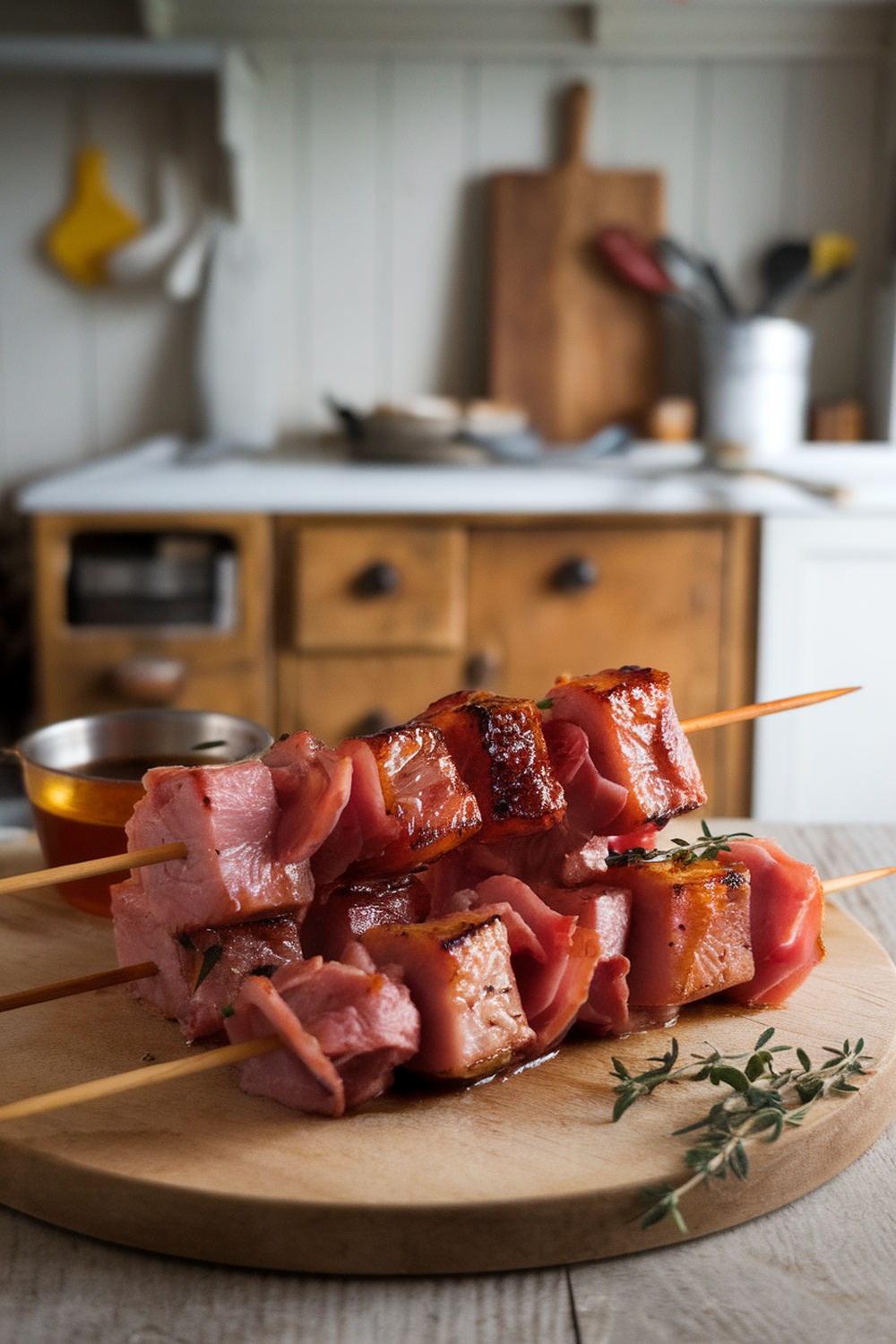
Mead, fermented honey wine, was the drink of choice at medieval banquets, so using it as a glaze feels genuinely appropriate here. The combination of mead, honey, and Dijon mustard caramelizes into something sticky and slightly sharp that works beautifully against the saltiness of the ham. These cook in under 15 minutes and are easy to make in large batches. Thread onto short skewers so guests can pick them up without needing a plate, they disappear fast.
Ingredients
- 1 pound ham, cut into bite-sized cubes
- 1/2 cup mead
- 1/4 cup honey
- 2 tablespoons Dijon mustard
- 1 tablespoon olive oil
- 1 teaspoon thyme
- Salt and pepper to taste
- Skewers
Instructions
- Preheat your grill or oven to medium heat.
- In a bowl, mix mead, honey, Dijon mustard, olive oil, thyme, salt, and pepper.
- Thread the ham cubes onto skewers and brush with the mead glaze.
- Grill or bake for about 10-15 minutes, turning occasionally, until heated through and slightly caramelized.
- Serve warm with extra glaze on the side for dipping.
Tips: For extra flavor, marinate the ham in the glaze for a few hours before cooking. You can also add veggies like bell peppers or onions to the skewers for a colorful twist!
Honey-Roasted Root Vegetables
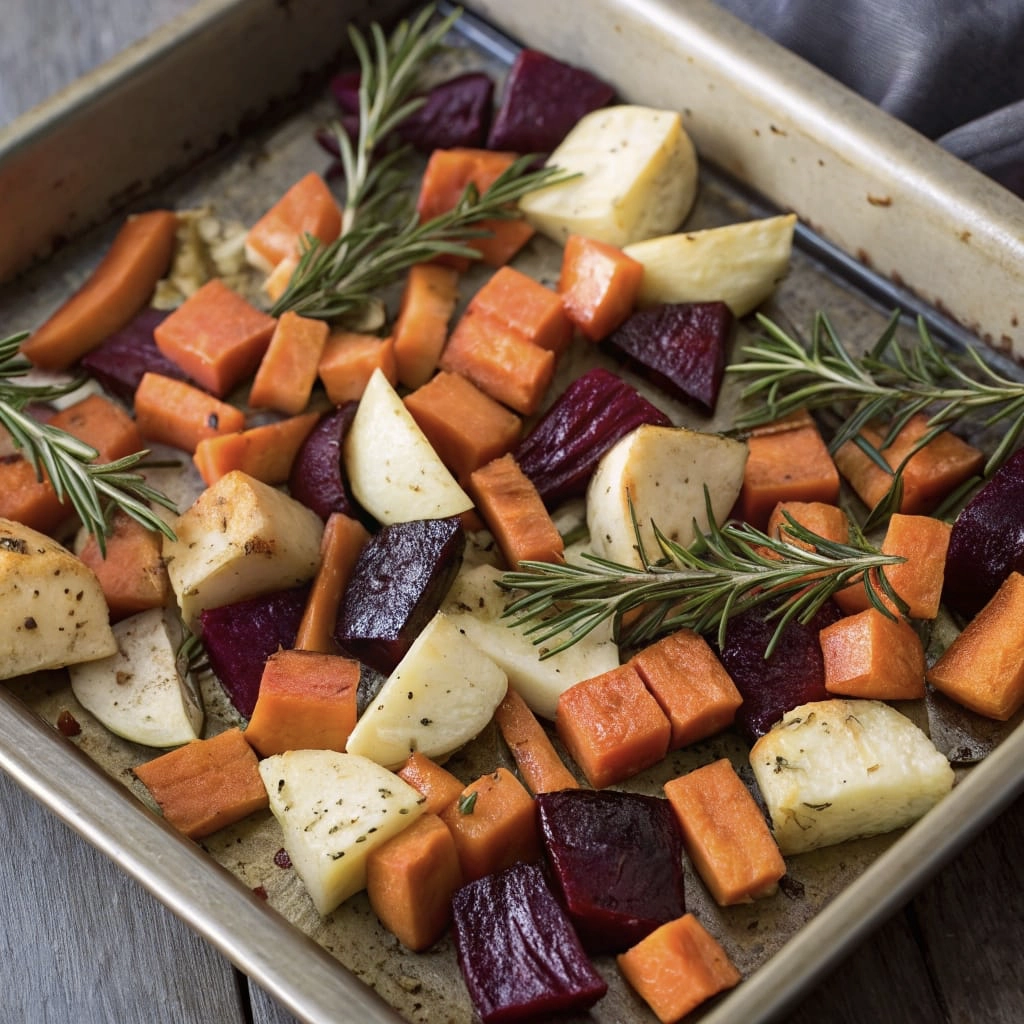
Root vegetables – carrots, parsnips, beets – were a staple of the medieval diet, roasted in hearth fat and sometimes sweetened with honey for feasts. This version roasts them at high heat until the edges caramelize and the honey thickens into a glaze. The beets turn a deep jewel red that looks genuinely dramatic on a wooden board. This is one of the most hands-off dishes on the table, and it holds well at room temperature, which makes it practical for a spread where timing is always a little unpredictable.
Ingredients
- 2 cups carrots, peeled and chopped
- 2 cups parsnips, peeled and chopped
- 2 cups beets, peeled and chopped
- 2 tablespoons olive oil
- 3 tablespoons honey
- 1 teaspoon salt
- 1 teaspoon black pepper
- Fresh rosemary for garnish
Instructions
- Preheat your oven to 400°F (200°C).
- In a large bowl, combine the chopped carrots, parsnips, and beets. Drizzle with olive oil and honey, then sprinkle with salt and pepper. Toss everything together until well coated.
- Spread the vegetables in a single layer on a baking sheet. Roast for 30-35 minutes, stirring halfway through, until tender and caramelized.
- Garnish with fresh rosemary before serving. Enjoy!
Tips: For extra flavor, try adding a sprinkle of cinnamon or nutmeg. You can also mix in other root vegetables like sweet potatoes or turnips!
Ale-Braised Mushrooms
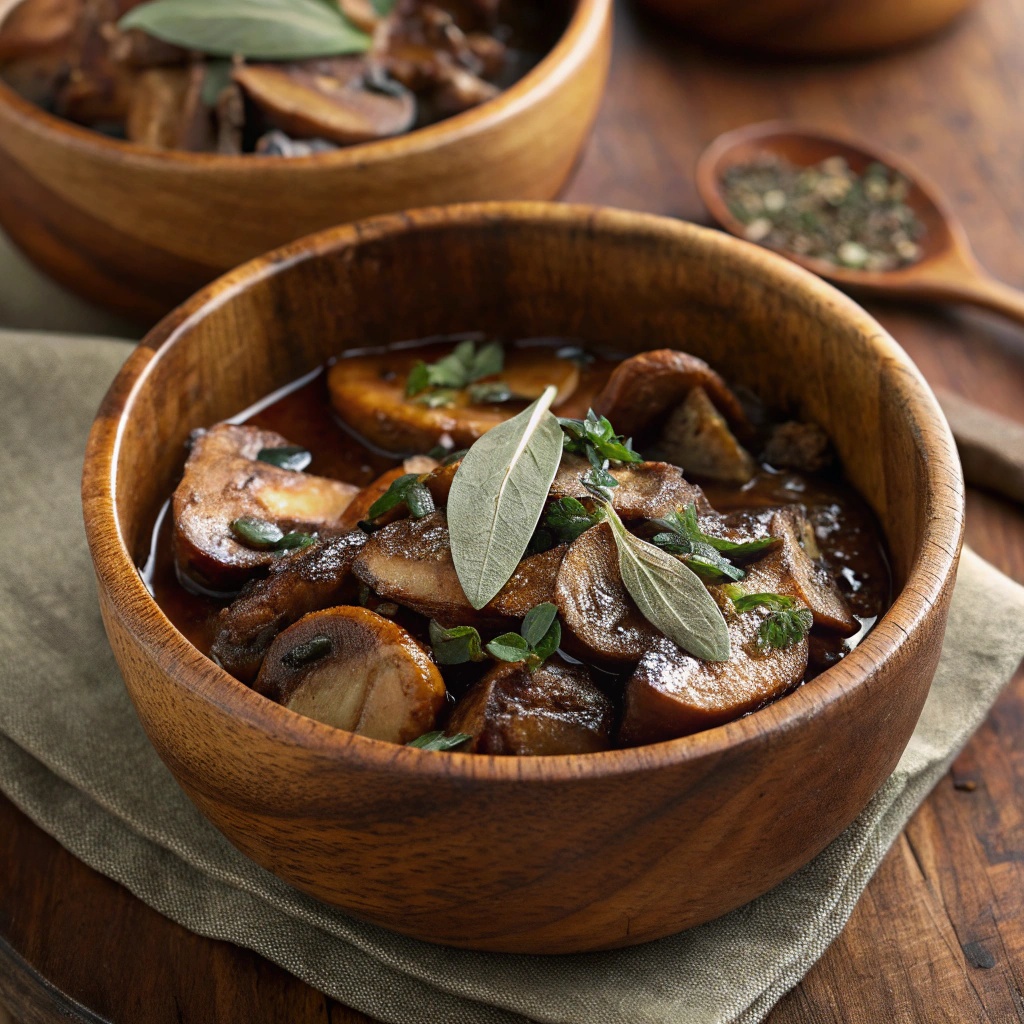
Braising mushrooms in ale is one of those combinations that sounds unusual and tastes completely obvious once you try it. The ale reduces down with garlic and thyme into a deep, savory liquid that the mushrooms absorb as they cook – earthy, slightly bitter, wonderfully warming. Use cremini or chestnut mushrooms rather than button for better flavor. This works as a side dish, spooned over the herb bread, or piled into the pottage bowl as a topping. Serve in small wooden bowls if you have them – the presentation is half the atmosphere.
Ingredients
- 1 pound fresh mushrooms (such as cremini or button)
- 1 cup ale (a light lager works well)
- 2 tablespoons olive oil
- 2 cloves garlic, minced
- 1 tablespoon fresh thyme, chopped
- Salt and pepper to taste
- Fresh parsley for garnish
Instructions
- Prepare the Mushrooms: Clean the mushrooms with a damp cloth and slice them if they are large.
- Sauté: In a large skillet, heat olive oil over medium heat. Add garlic and sauté for about 1 minute until fragrant.
- Add Mushrooms: Add the mushrooms to the skillet and cook for about 5 minutes, stirring occasionally, until they start to brown.
- Deglaze: Pour in the ale and add thyme, salt, and pepper. Bring to a simmer and cook for about 10-15 minutes until the ale reduces and thickens slightly.
- Serve: Garnish with fresh parsley and serve warm in wooden bowls.
Tips: Use a good quality ale for the best flavor. You can also add a splash of cream at the end for a richer sauce!
Spiced Venison Stew
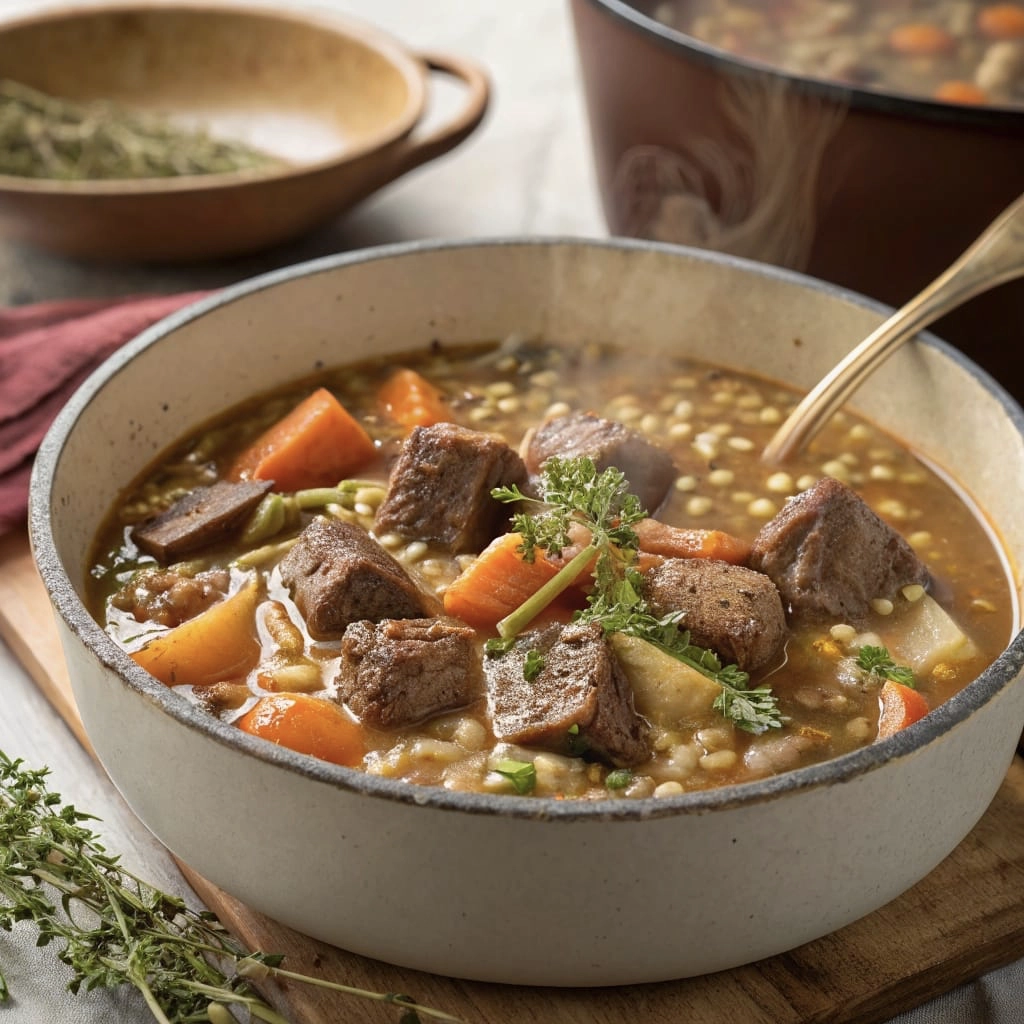
Venison was reserved for nobility in medieval England – commoners were forbidden from hunting deer on royal land – so putting a venison stew on your party table is a small act of historical rebellion. This one uses cinnamon alongside the usual thyme and bay, which was a common medieval spice pairing and gives the stew a warmth that’s noticeably different from a modern beef braise. Make it the day before if you can, the flavor improves significantly overnight. Serve from a large pot in the middle of the table with the herb bread alongside, and let people help themselves.
Ingredients
- 2 pounds venison, cut into chunks
- 4 cups beef broth
- 2 carrots, sliced
- 2 potatoes, diced
- 1 onion, chopped
- 3 cloves garlic, minced
- 2 tablespoons olive oil
- 1 teaspoon dried thyme
- 1 teaspoon ground cinnamon
- 1 teaspoon black pepper
- 1 bay leaf
- Salt to taste
Instructions
- Heat olive oil in a large pot over medium heat. Add venison chunks and brown on all sides.
- Add onion and garlic, cooking until softened. Stir in carrots and potatoes.
- Pour in beef broth, then add thyme, cinnamon, black pepper, bay leaf, and salt. Bring to a boil, then reduce heat and simmer for 1.5 to 2 hours until meat is tender.
Tip: For extra flavor, let the stew sit overnight in the fridge before serving. This allows the spices to meld beautifully!
Fig & Goat Cheese Tartlets
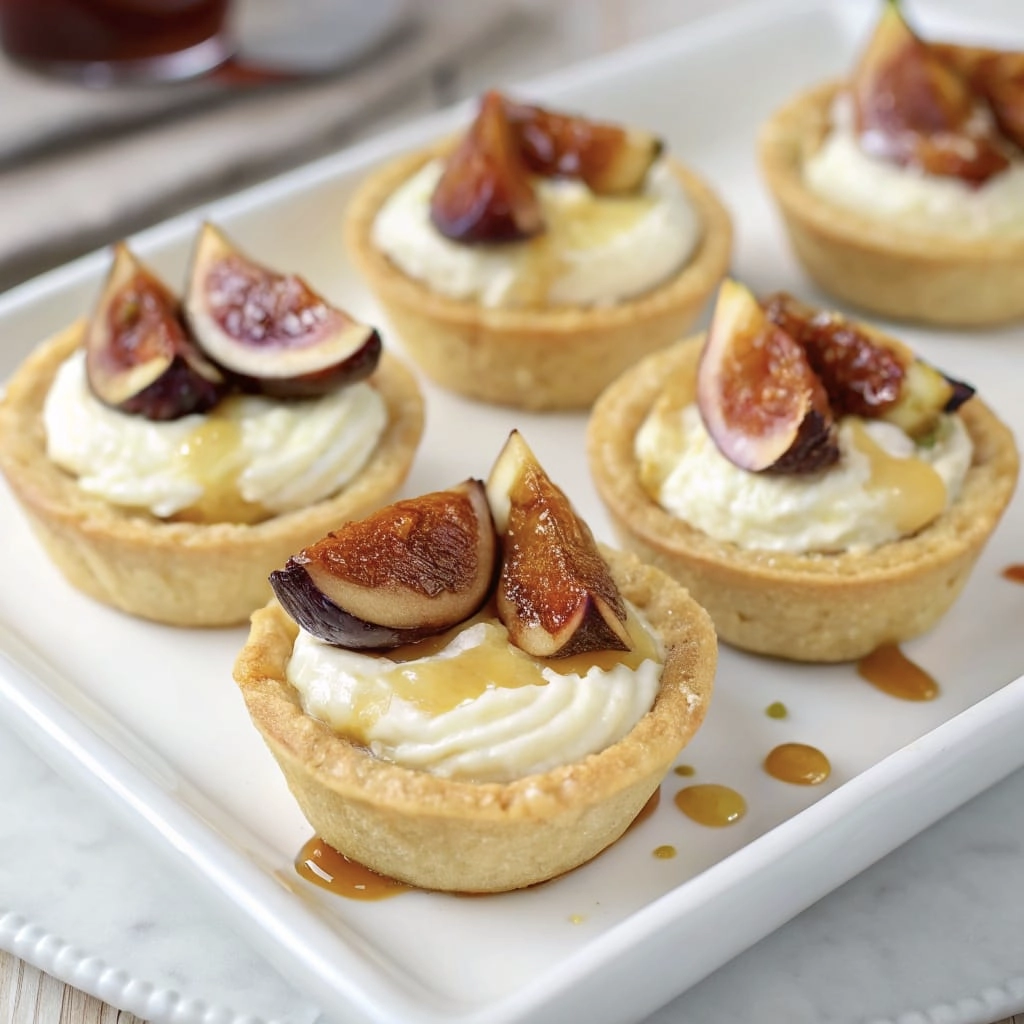
Figs were a luxury ingredient in medieval cooking – imported, expensive, and associated with wealthy tables. Pairing them with goat cheese and a drizzle of honey is historically plausible and also genuinely delicious. The tartlets bake in about 12 minutes from pre-made shells, so they’re quick to pull together on the day. The goat cheese softens into something almost mousse-like as it heats, and the fig on top caramelizes slightly at the edges. The tip about crushed walnuts is worth following – the crunch makes a real difference.
Ingredients
- 1 package of mini tart shells
- 8 oz goat cheese, softened
- 1/4 cup honey
- 8 fresh figs, sliced
- 1/4 cup heavy cream
- 1 tsp fresh thyme, chopped
- Salt and pepper to taste
Instructions
- Preheat your oven to 350°F (175°C). Place the mini tart shells on a baking sheet.
- In a bowl, mix the goat cheese, heavy cream, thyme, salt, and pepper until smooth. Spoon the mixture into each tart shell.
- Top each tart with a slice of fig and drizzle with honey. Bake for about 10-12 minutes until the cheese is warm and the shells are golden.
- Let cool slightly before serving. Enjoy your delicious tartlets!
Tip: For an extra touch, sprinkle some crushed walnuts on top before baking for added crunch!
Rosemary & Sea Salt Flatbreads
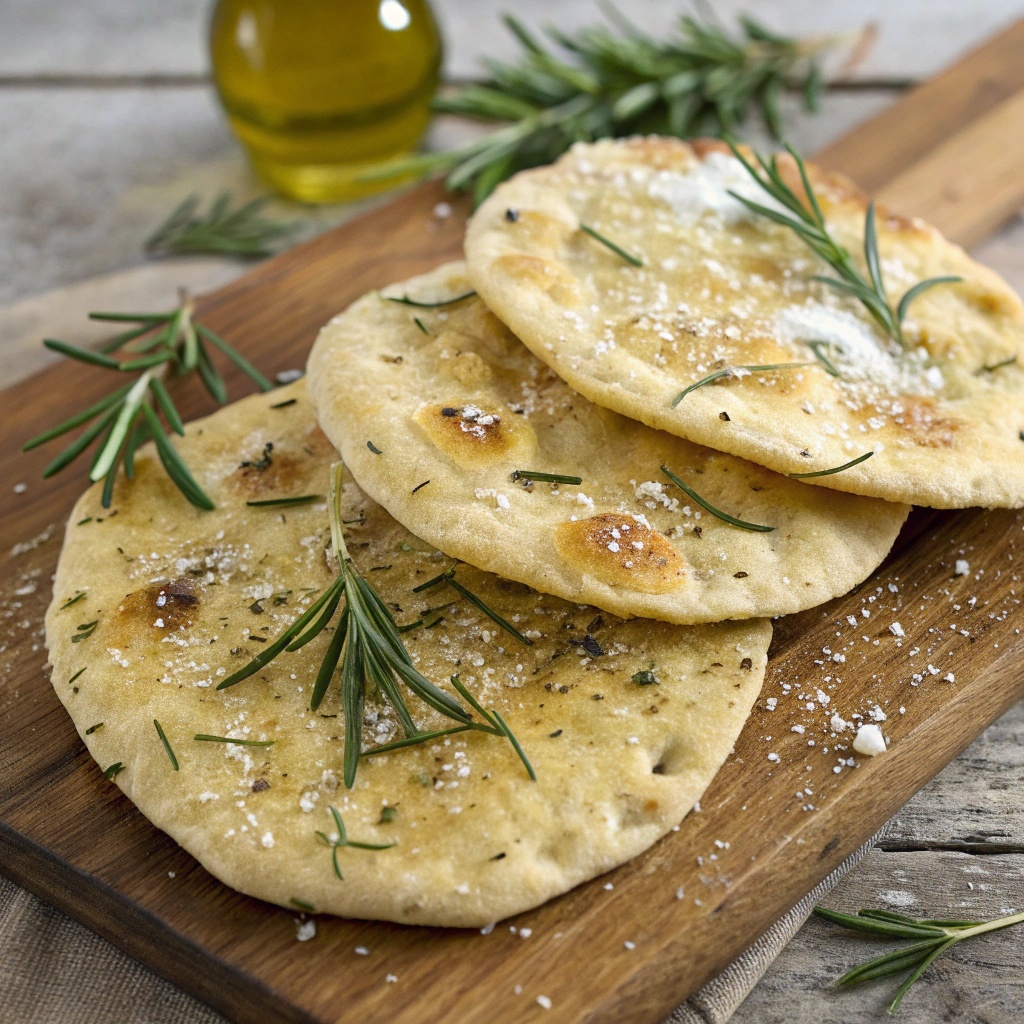
These are the faster alternative to the herb-crusted loaves, no yeast, no rise time, just flour, water, oil, and rosemary mixed into a dough that cooks in a hot skillet in about five minutes. The baking powder gives them a slight lift so they’re not too dense, and the sea salt sprinkled on top while they’re still hot is non-negotiable. Make a big stack and keep them wrapped in a cloth to stay warm.
They’re best used as a scoop for the pottage or the ale-braised mushrooms, but they’ll disappear with just the olive oil too.
Ingredients
- 2 cups all-purpose flour
- 1 teaspoon salt
- 1 teaspoon dried rosemary
- 1 teaspoon baking powder
- 3/4 cup warm water
- 2 tablespoons olive oil
- Sea salt for sprinkling
Instructions
- Mix the dry ingredients: In a bowl, combine flour, salt, rosemary, and baking powder.
- Add wet ingredients: Stir in warm water and olive oil until a dough forms. Knead for a few minutes until smooth.
- Roll out the dough: Divide the dough into small balls and roll each one out into a thin circle.
- Cook the flatbreads: Heat a skillet over medium heat. Cook each flatbread for about 2-3 minutes on each side until golden brown.
- Finish and serve: Sprinkle with sea salt while still warm and serve with olive oil for dipping.
Tips: For extra flavor, brush the flatbreads with more olive oil before cooking. You can also add fresh rosemary on top before serving for a lovely presentation!
Candied Almonds
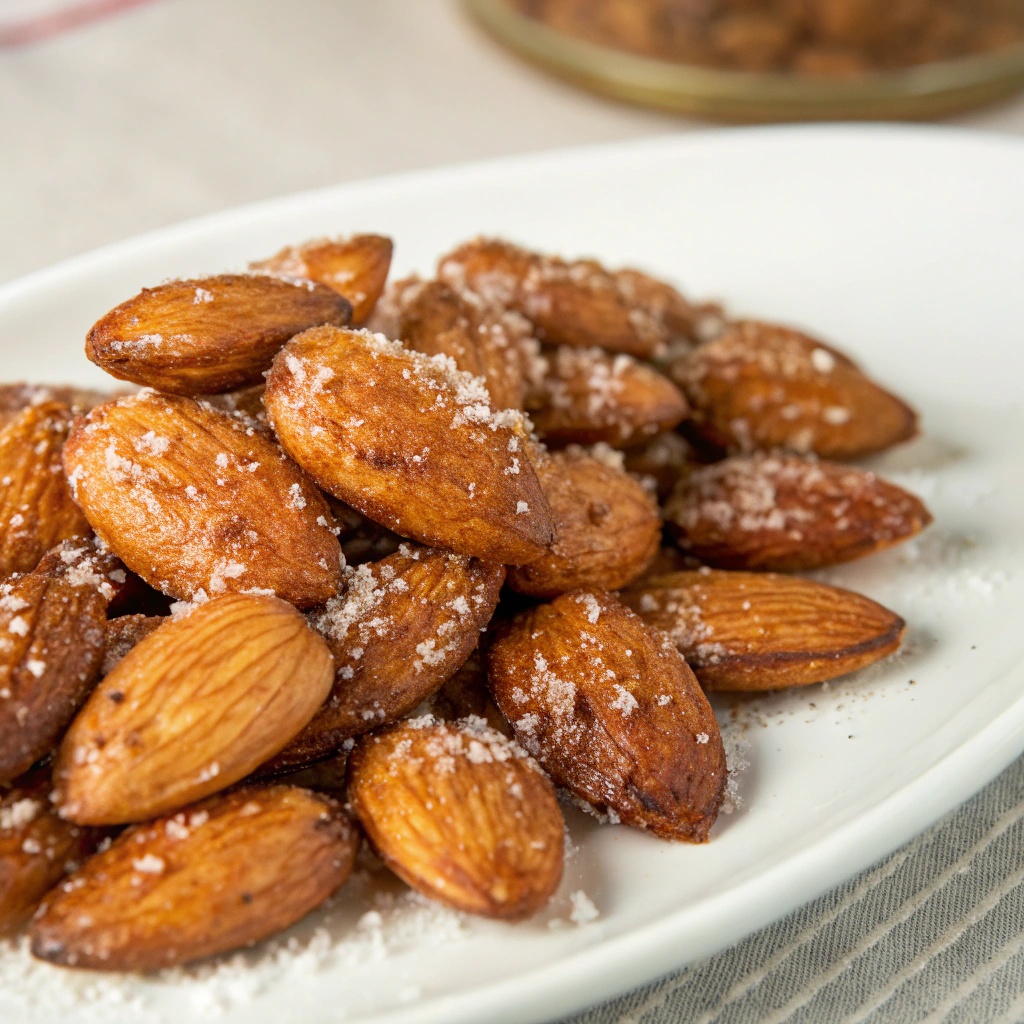
Almonds appeared in medieval recipes more than almost any other nut – ground into sauces, pressed for milk, and candied for the sweet course at the end of a feast. This sugar-and-cinnamon version takes about 20 minutes on the stove and fills the kitchen with a smell that gets everyone’s attention. The sugar syrup goes through a slightly alarming grainy stage before it melts back into a glaze – keep stirring and it comes together. Spread them out on parchment to cool and break apart the clusters before serving. Make double – they keep well in a tin and you’ll want them around after the party too.
Ingredients
- 2 cups raw almonds
- 1 cup granulated sugar
- 1/2 cup water
- 1 teaspoon vanilla extract
- 1/2 teaspoon cinnamon
- Pinch of salt
Instructions
- Prepare the Almonds: In a saucepan, combine sugar, water, vanilla extract, cinnamon, and salt. Stir over medium heat until the sugar dissolves.
- Add the Almonds: Once the mixture is boiling, add the almonds and stir continuously until the liquid thickens and coats the almonds, about 10-15 minutes.
- Cool and Serve: Spread the almonds on a parchment-lined baking sheet to cool completely. Once cooled, break apart any clumps and serve in a bowl for your guests to enjoy.
Tip: For an extra touch, you can sprinkle some sea salt on top before they cool for a sweet and salty flavor!
Herb-Infused Pottage
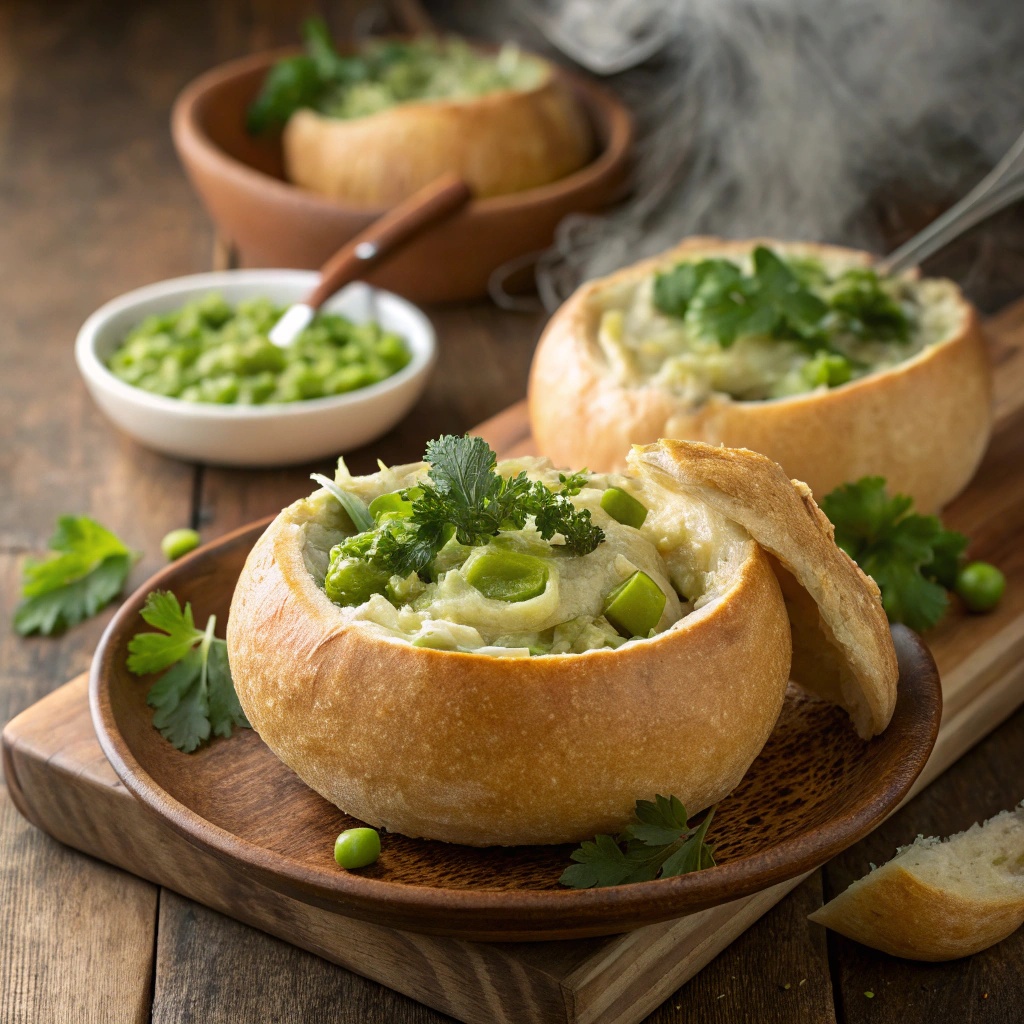
If the venison stew is the centerpiece, pottage is its quieter companion, a thick, herb-heavy vegetable soup that was eaten by everyone from peasants to monks throughout the medieval period. This version uses peas, potatoes, thyme, and rosemary in a good vegetable broth, and the result is something genuinely comforting rather than just historically accurate. Serving it in bread bowls is the move here, it looks spectacular and means no bowls to wash. Hollow out round sourdough rolls for the best results. The pottage soaks into the bread as it sits, which is not a problem.
Ingredients
- 2 cups green peas (fresh or frozen)
- 1 cup diced potatoes
- 1 onion, chopped
- 2 cloves garlic, minced
- 4 cups vegetable broth
- 1 tablespoon olive oil
- 1 teaspoon dried thyme
- 1 teaspoon dried rosemary
- Salt and pepper to taste
- Fresh parsley for garnish
- 4 bread bowls
Instructions
- Heat olive oil in a large pot over medium heat. Add the onion and garlic, cooking until soft and fragrant.
- Add the potatoes and peas, stirring for a few minutes. Pour in the vegetable broth and bring to a boil.
- Reduce heat and add thyme, rosemary, salt, and pepper. Simmer for 20 minutes until the vegetables are tender.
- Serve the pottage in bread bowls, garnished with fresh parsley.
Tips: For extra flavor, try adding a splash of white wine to the broth. You can also mix in other vegetables like carrots or celery for variety!
Roasted Pumpkin Rounds
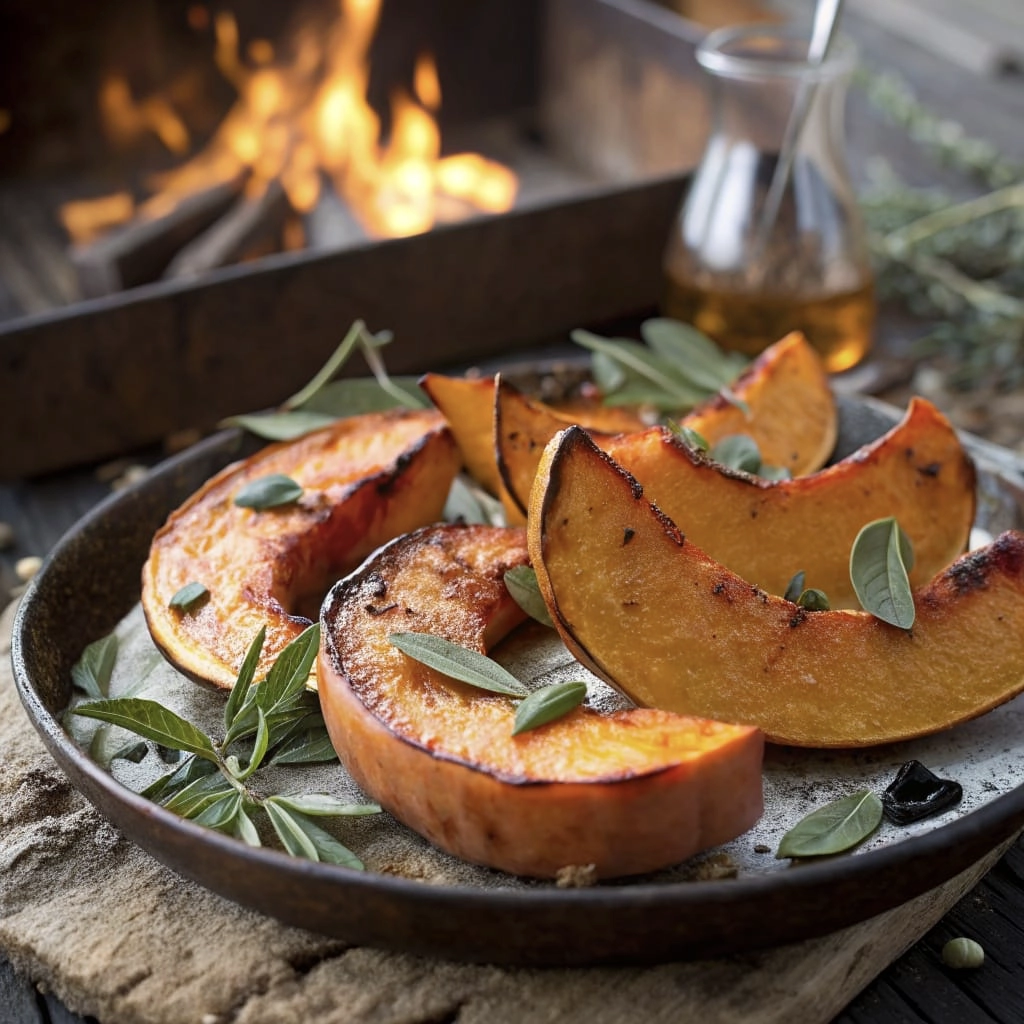
Sliced into rounds and roasted with sage and garlic, pumpkin becomes something much more interesting than its reputation suggests – caramelized at the edges, tender in the center, and deeply savory from the garlic. The rounds look visually striking on a wooden board in a way that a pile of mashed or diced pumpkin never would. If you’re making this for autumn or Halloween timing, it’s perfect. If you’re doing a summer gathering, butternut squash is a solid substitute. The honey drizzle in the tip is worth doing – it pulls the whole thing together.
Ingredients
- 1 medium pumpkin, sliced into rounds
- 2 tablespoons olive oil
- 1 teaspoon salt
- 1/2 teaspoon black pepper
- 1 tablespoon fresh sage, chopped
- 1 teaspoon garlic powder
Instructions
- Preheat your oven to 400°F (200°C).
- In a large bowl, toss the pumpkin slices with olive oil, salt, pepper, sage, and garlic powder until evenly coated.
- Arrange the pumpkin rounds on a baking sheet in a single layer.
- Roast for 25-30 minutes, flipping halfway through, until the pumpkin is tender and slightly caramelized.
- Serve warm and enjoy your feast!
Tip: For a sweeter twist, add a drizzle of honey or maple syrup before roasting!
Baked Cheese Wheel
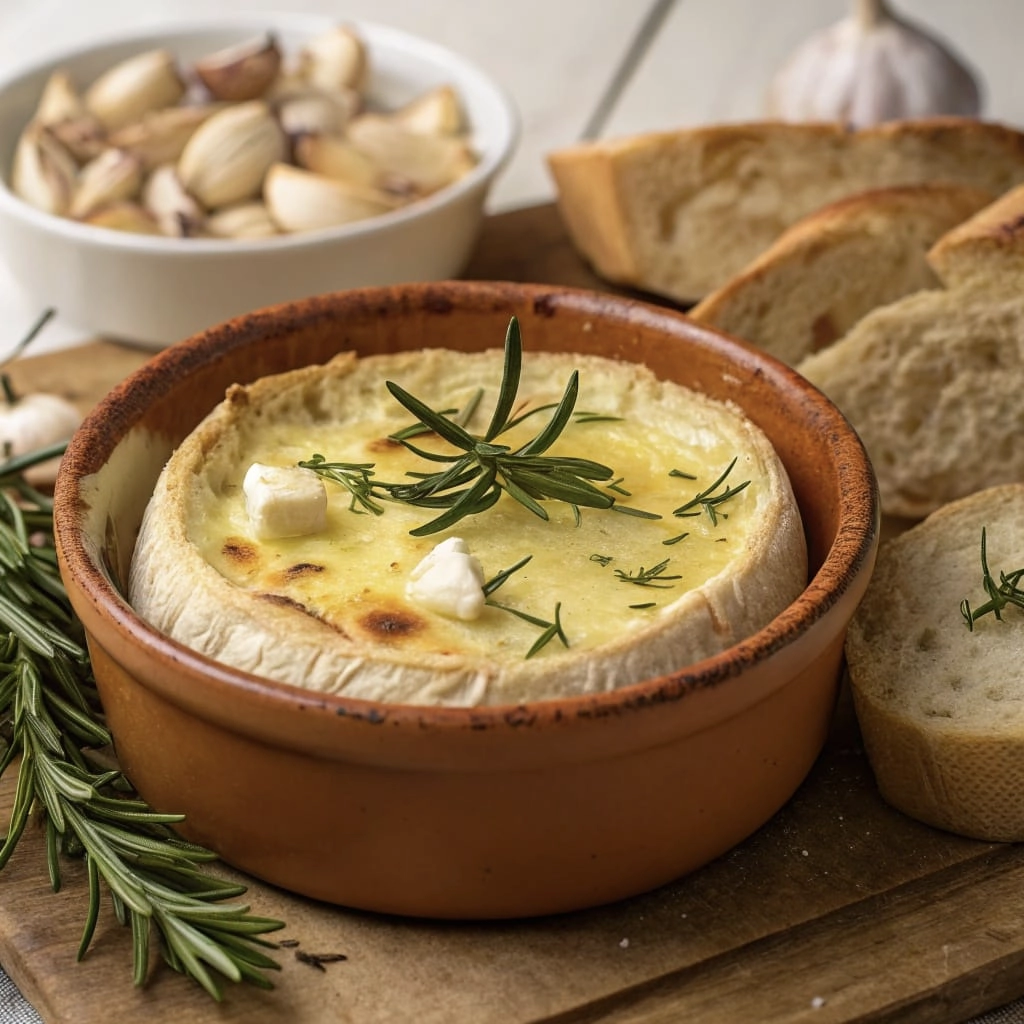
A whole baked Brie or Camembert is one of those things that creates a moment at the table – everyone gravitates toward it when it comes out of the oven, rind scored, rosemary and garlic tucked in, cheese just beginning to bubble. It takes 20 minutes and almost no effort, and the combination of warm gooey cheese, herby olive oil, and good bread is hard to beat. Set it directly in its wooden box or a small clay dish to bake so it holds its shape. Have plenty of bread and crackers ready – this goes quickly. Adding a drizzle of honey and some walnuts before serving is optional but very good.
Ingredients
- 1 whole wheel of cheese (like Brie or Camembert)
- 2 tablespoons olive oil
- 1 teaspoon fresh rosemary, chopped
- 1 teaspoon garlic, minced
- Salt and pepper to taste
- Bread or crackers for serving
Instructions
- Preheat your oven to 350°F (175°C).
- Place the cheese wheel in a small baking dish. Drizzle with olive oil and sprinkle with rosemary, garlic, salt, and pepper.
- Bake for about 15-20 minutes, or until the cheese is melted and bubbly.
- Serve warm with bread or crackers for dipping.
Tips: You can add honey or nuts on top for extra flavor. Experiment with different herbs to find your favorite combination!
If you’re looking for more easy hand-held party foods that always disappear first, try:
Mustard & Cumin Lamb Kebabs
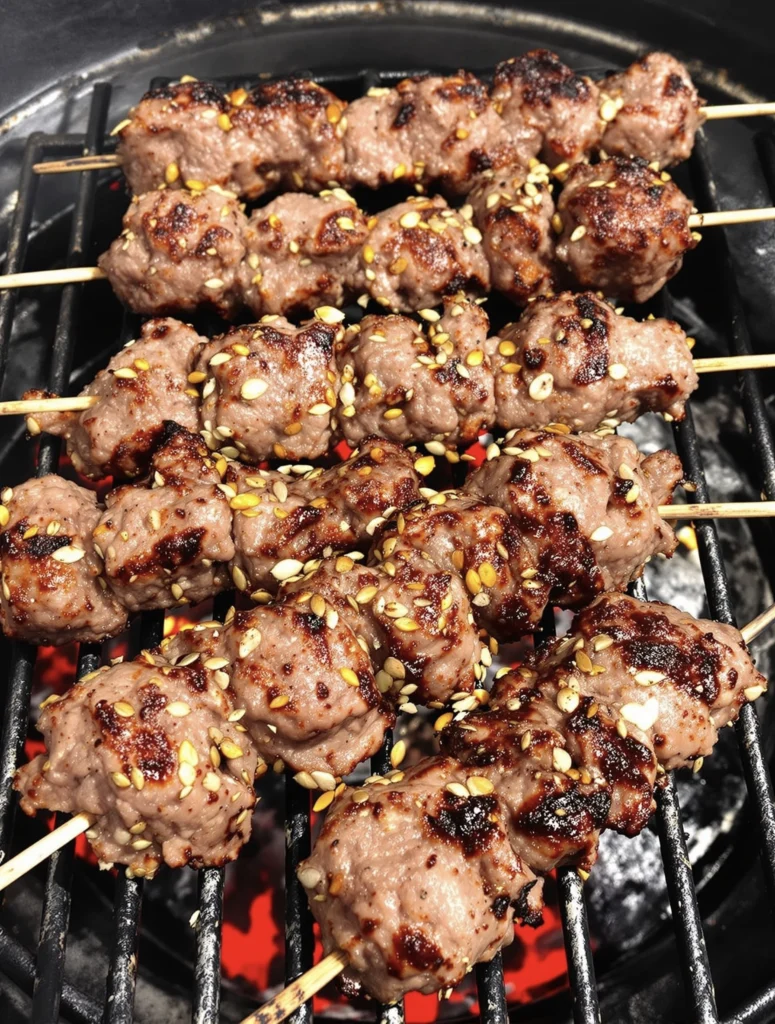
Cumin and mustard were both common medieval spices – cumin in particular was used heavily in English cooking before black pepper became dominant. These kebabs use both in a simple marinade with olive oil, and the result is lamb that’s slightly crusted on the outside with a warm, earthy spice note that doesn’t taste like anything else on the table. Marinate overnight if you can – lamb really benefits from the extra time. These cook quickly on a hot grill or griddle pan, and resting them for a few minutes before serving makes a noticeable difference to the texture.
Ingredients
- 1 pound lamb, cut into cubes
- 2 tablespoons mustard seeds
- 1 tablespoon ground cumin
- 2 tablespoons olive oil
- 1 teaspoon salt
- 1 teaspoon black pepper
- Skewers (soaked in water if wooden)
Instructions
- Prepare the Marinade: In a bowl, mix mustard seeds, ground cumin, olive oil, salt, and pepper. Add the lamb cubes and coat them well.
- Marinate: Cover the bowl and let the lamb marinate in the fridge for at least 1 hour, or overnight for more flavor.
- Skewer the Lamb: Thread the marinated lamb onto the skewers, leaving a little space between each piece.
- Grill: Preheat your grill to medium-high heat. Grill the kebabs for about 10-12 minutes, turning occasionally, until they reach your desired doneness.
- Serve: Remove from the grill and let them rest for a few minutes before serving. Enjoy!
Tips: For extra flavor, add some chopped garlic or herbs to the marinade. If you like a bit of heat, consider adding some chili flakes!
Pear & Walnut Salad
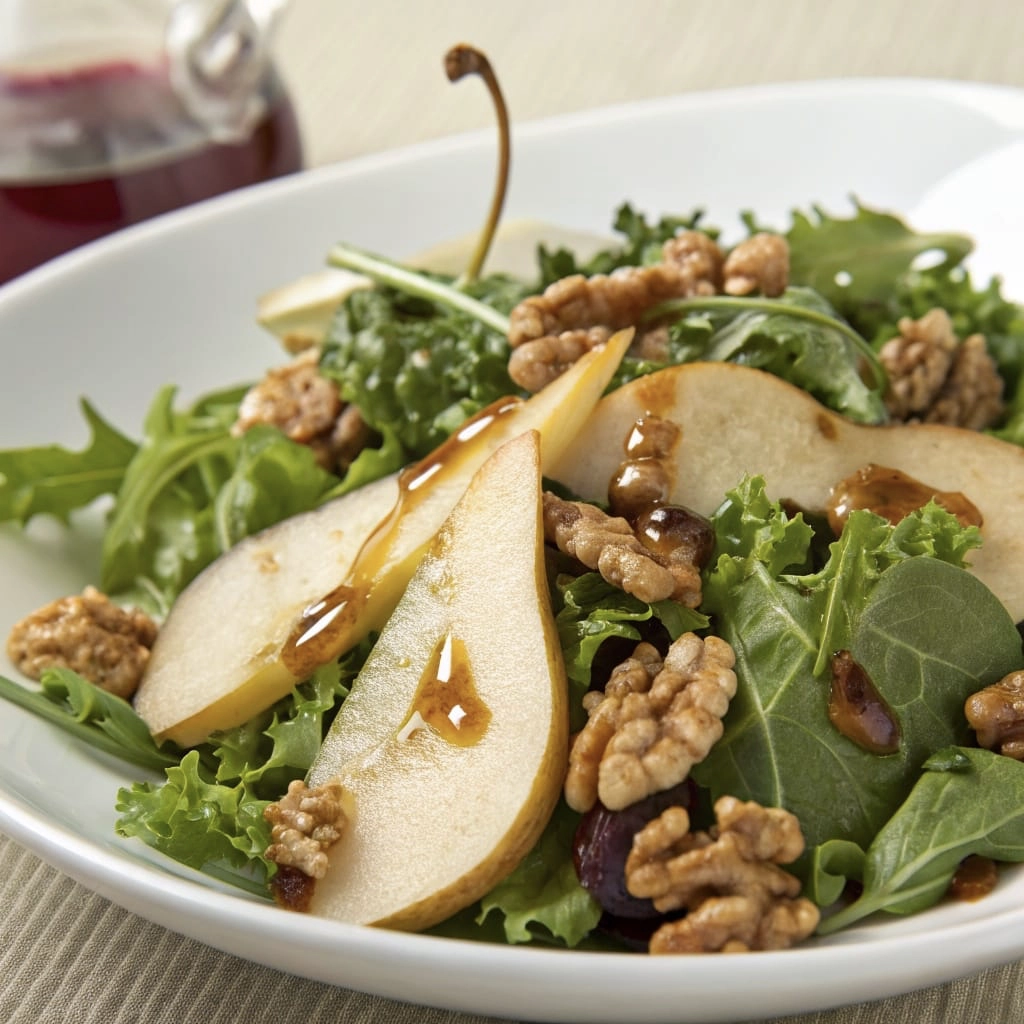
A light salad earns its place on a medieval spread because everything else on this table is rich, warm, and heavy. Pears and walnuts were both available in medieval England – pears were often eaten with cheese, and walnuts appeared in savory sauces as well as sweets. The balsamic vinaigrette is a modern touch, but it works.
Use ripe pears for the best flavor, toast the walnuts in a dry pan for two minutes before adding them, and dress the salad at the last moment so the greens don’t wilt. The optional feta is not particularly medieval but it makes the salad significantly better.
Ingredients
- 4 cups mixed salad greens
- 2 ripe pears, sliced
- 1 cup walnuts, toasted
- 1/4 cup crumbled feta cheese (optional)
- 1/4 cup olive oil
- 2 tablespoons balsamic vinegar
- Salt and pepper to taste
Instructions
- Prepare the Salad: In a large bowl, combine the salad greens, sliced pears, and toasted walnuts.
- Make the Dressing: In a small bowl, whisk together olive oil, balsamic vinegar, salt, and pepper.
- Combine: Drizzle the dressing over the salad and toss gently to coat. Top with feta cheese if desired and serve immediately.
Tips: Use ripe pears for the best flavor and texture. Toast the walnuts in a dry skillet for a few minutes to enhance their nutty taste. Feel free to add other toppings like dried cranberries or sliced apples!
Setting The Scene
Half the atmosphere of a medieval feast is in the presentation and a few key pieces make a real difference. For the spiced ale, you want proper ornate goblets rather than regular glasses. For the bread and cheese spread, a set of large wooden serving boards is worth having. And if you’re making the stew or pottage, a good cast iron pot will serve you well beyond this one party. Skewers for the meat and ham bites are the one thing that’s genuinely easy to underestimate – grab a large pack of bamboo skewers so you’re not rationing them on the day. If you want really have fun and to go all out, you could make you own actual mead alongside the spiced ale and make the drinks table feel properly committed to the theme. None of it needs to be expensive, charity shops and thrift stores are genuinely great for rustic wooden pieces, and mismatched goblets actually look better than a matching set.
Keep Exploring Party Food Ideas
If you love themed hosting, you’ll probably also enjoy:
FAQ
Want this recipe emailed to you?
Recommended:
 24 Struggle Meals That Actually Taste Great
 19 Harry Potter Party Recipes Your Guests Will Actually Eat
 World Cup Watch Party Food – A Global Spread for the Best Soccer Night In
 25 Stunning Fourth of July Party Foods for the Ultimate Backyard Celebration
 Elegant Bridgerton-Inspired Party Food That’s Surprisingly Easy

I think this might have been a really interesting article – if it had been possible to read it. Sadly, on an iPhone there were so very many adverts and popups it was literally impossible to read- so I gave up and just left this comment