I’ll be honest, I came to pistachio cream pasta completely backwards. I’d made the brownies, the shortbread, the Dubai chocolate cake. I was deep in the pistachio rabbit hole and convinced it was purely a dessert ingredient. And then I tried it in a pasta sauce and had to completely rethink everything I thought I knew about weeknight dinners.
The thing is, pistachio and cream was always going to work. The nut is rich and slightly sweet with that gentle savory edge that makes it function almost like a very good pesto — without the basil, without the pine nuts, and honestly without any of the faff. You blitz pistachios with a little garlic and parmesan, loosen it with cream and pasta water, and what comes out the other side is one of the most elegant-looking pasta sauces you will ever make on a Tuesday.
It’s the kind of recipe that looks like you spent the afternoon on it. You spent 25 minutes on it. You do not need to share that information.
Looking for more quick pasta ideas? This recipe is featured in my roundup of quick pasta recipes ready in 30 minutes or less.
Why This Tastes Great
The pistachios do real work here. Blitzed into a rough paste, they bring a richness that’s different from any other nut — less heavy than walnut, less sweet than cashew, with a faint savory quality that means the sauce doesn’t need much else to taste deeply flavored.
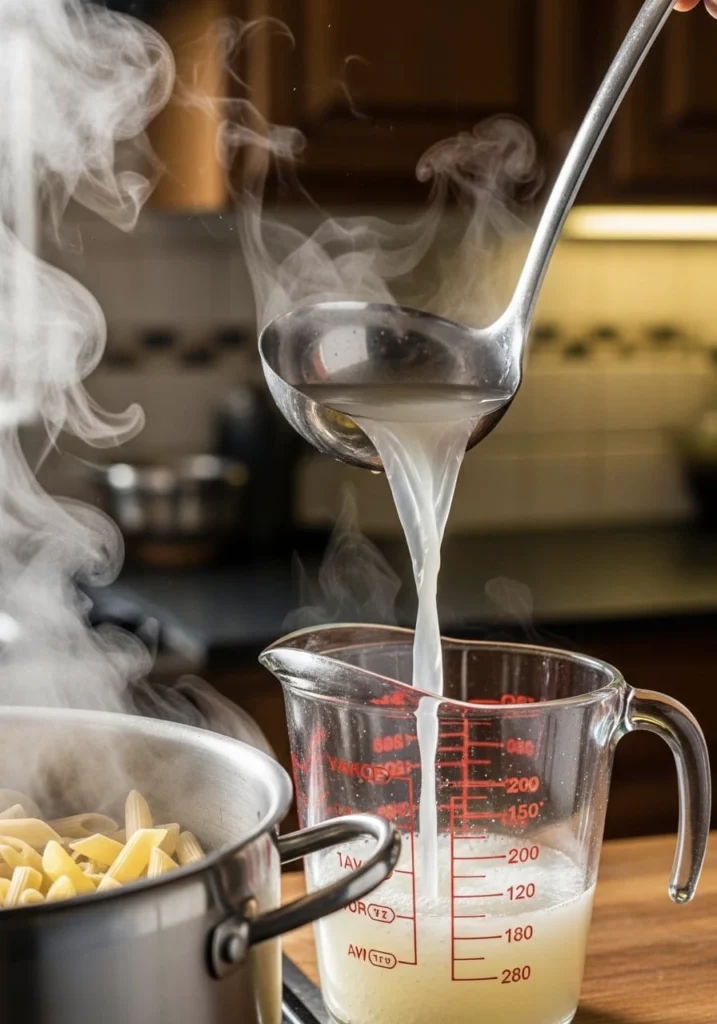
Pasta water is the secret. The starchy water you reserve from cooking the pasta is what transforms the sauce from thick and clumped to glossy and coating. Don’t skip it, don’t tip it down the drain before you remember to save it. Add it gradually and watch the sauce come alive.
The garlic is raw-blitzed, not cooked. This keeps a gentle sharpness in the background that stops the sauce from being one-note rich. It’s a small thing that makes a noticeable difference.
Parmesan brings the salt and the body. It melts into the sauce and adds an umami depth that makes the whole thing taste more complex than the ingredient list suggests it should.
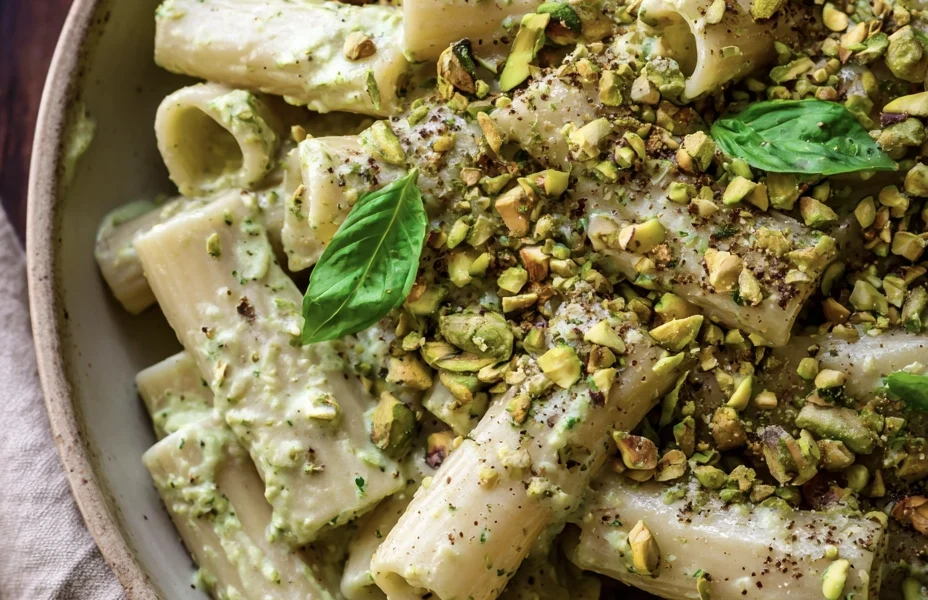
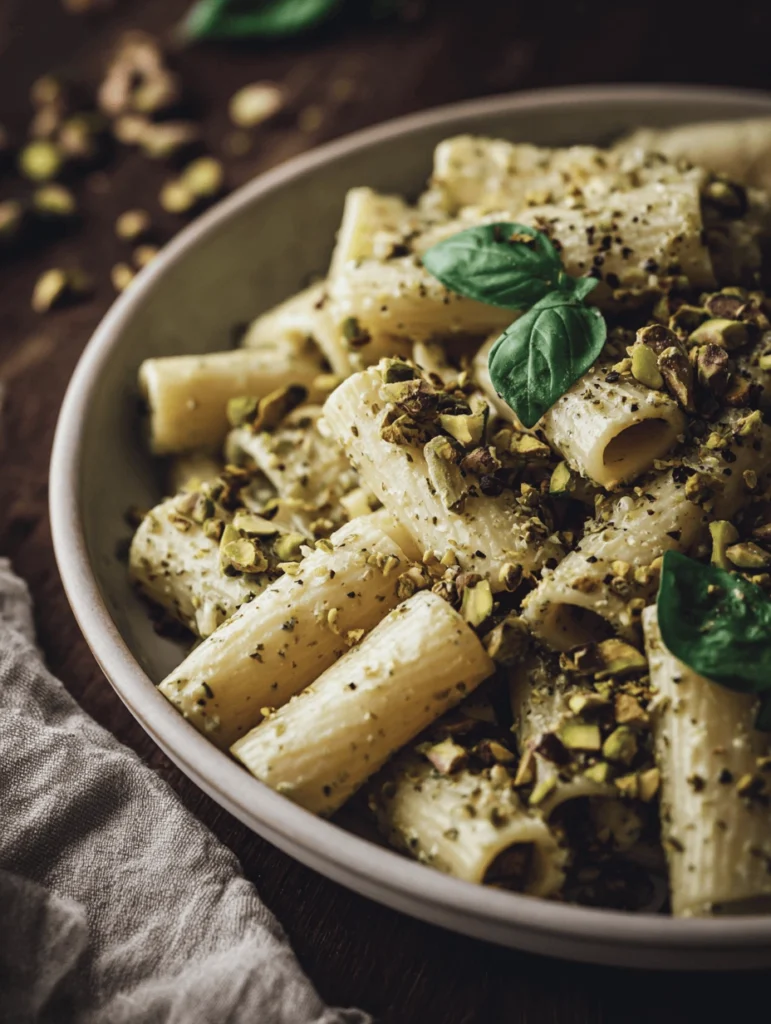
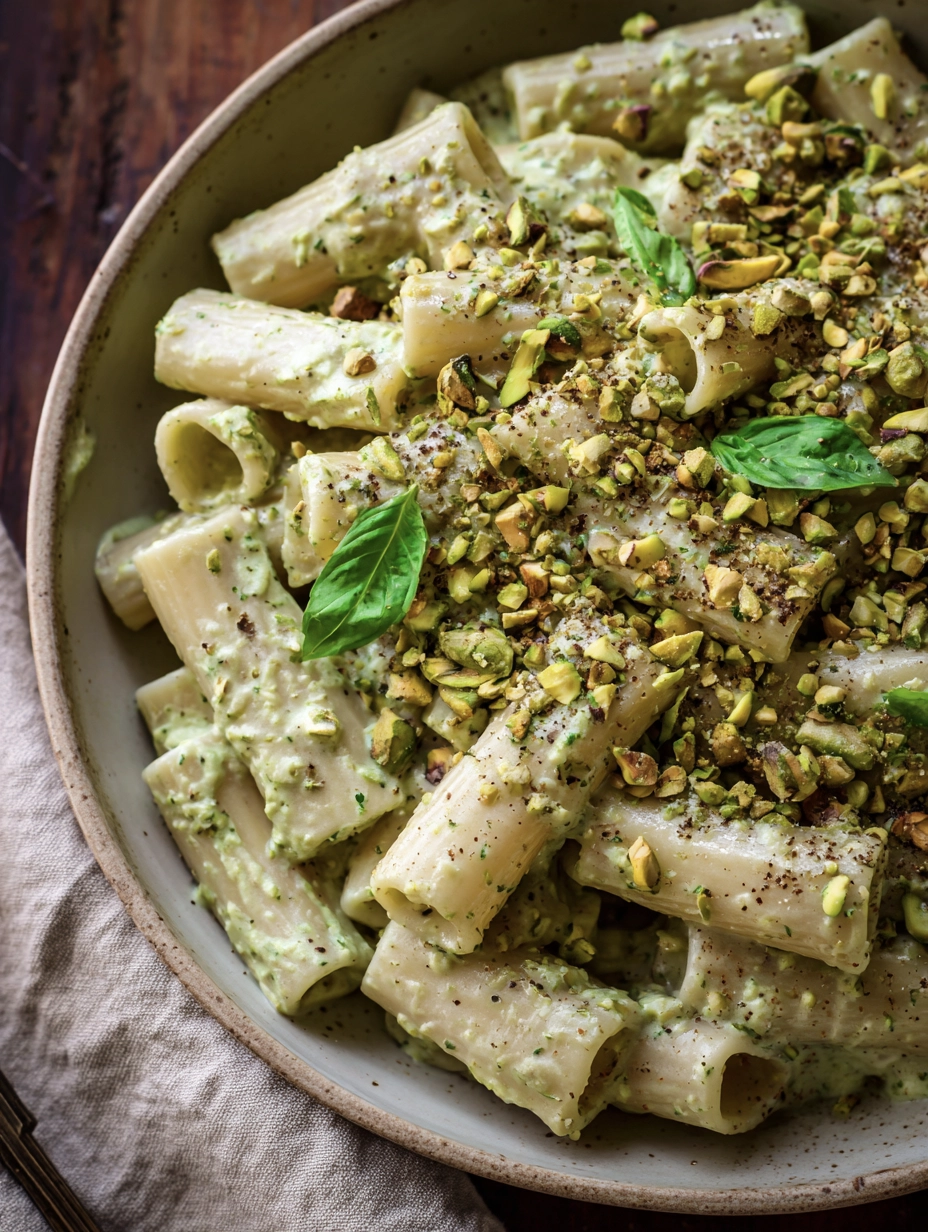
The color. That pale sage green coating pasta is genuinely one of the most beautiful things you can put in a bowl. It looks like it took skill. It did not take skill.
Equipment
- Food processor or high-speed blender — for blitzing the pistachio sauce. A small food processor works best for this quantity; a blender works fine too. A hand blender in a tall cup will also do the job.
- Large pot — for cooking the pasta. Use more water than you think you need and salt it generously.
- Large skillet or wide saucepan — for finishing the pasta in the sauce. Wide base means everything coats evenly.
- Heatproof jug or mug — for scooping out pasta water before you drain. Put it next to the stove now so you don’t forget.
- Microplane or fine grater — for the parmesan. Pre-grated works but freshly grated melts more smoothly into the sauce.
Timing & Servings
Prep time – 10 minutes
Cook time – 15 minutes
Total time – 25 minutes
Servings – 4 (easily halved for 2)
Difficulty – Easy — no special skills required
Best pasta shape – Rigatoni, pappardelle, or tagliatelle
Works best served immediately. The sauce thickens as it sits, add a splash of hot water when reheating and it comes back together perfectly.
Ingredients
For the pasta:
- 14 oz (400g) rigatoni
- 1 tbsp kosher salt (for pasta water)
For the pistachio cream sauce:
- 1 cup (130g) shelled unsalted pistachios, raw or lightly roasted
- 2 cloves garlic, peeled
- 1 cup (240ml) heavy cream
- 1/2 cup (120ml) pasta cooking water (reserved before draining)
- 1/2 cup (50g) Parmesan, finely grated, plus extra to serve
- 2 tbsp extra virgin olive oil
- 1/2 tsp lemon zest
- 1/4 tsp black pepper
- Salt to taste
To finish:
- 2 tbsp roughly chopped pistachios (for topping)
- Fresh basil leaves
- Extra Parmesan for serving
- A drizzle of good olive oil
Instructions
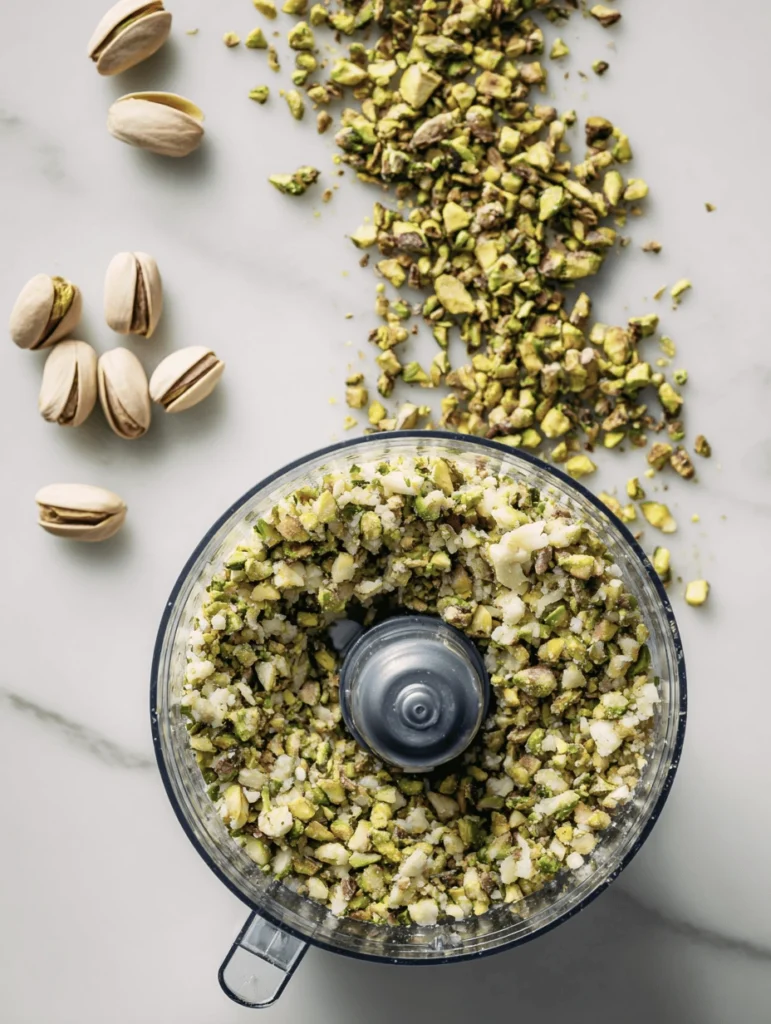
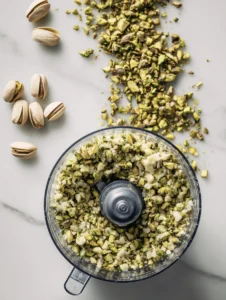
- Blitz the pistachios: Add the shelled pistachios and garlic cloves to a food processor. Pulse until they form a coarse, crumbly paste – about 30 seconds. You want texture rather than a completely smooth paste. Set aside.
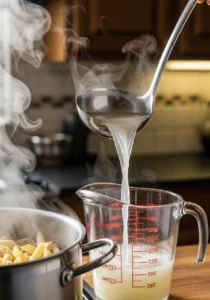
- Cook the rigatoni: Bring a large pot of water to a boil and add the kosher salt. Cook the rigatoni according to package instructions until al dente – usually 10-12 minutes. Before draining, scoop out at least 1 cup of the starchy pasta water and set aside. Drain the pasta.
- Build the sauce: In a large wide skillet or pan, heat the olive oil over medium heat. Add the blitzed pistachio paste and stir for 1-2 minutes until it smells toasty and fragrant. Pour in the heavy cream and stir to combine, scraping up any pistachio bits from the bottom of the pan.
- Add pasta water: Add 1/2 cup of the reserved pasta water to the sauce and stir well. The sauce will look loose at this point – that’s correct. Bring to a gentle simmer and let it reduce for 2 minutes, stirring regularly.
- Add Parmesan: Remove the pan from the heat and stir in the grated Parmesan, lemon zest, and black pepper. The cheese will melt into the sauce and thicken it. Taste and adjust salt.
- Toss the pasta: Add the drained rigatoni to the pan and toss to coat every piece in the sauce. If the sauce feels too thick, add a splash more pasta water and toss again – the starch helps the sauce cling to the rigatoni. The sauce should be silky and coat the pasta rather than pool at the bottom.
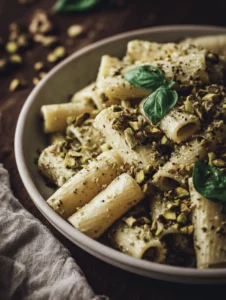
- Serve immediately: Divide between four bowls. Top each with a scatter of roughly chopped pistachios, fresh basil leaves, extra Parmesan, and a drizzle of good olive oil. Serve straight away.
Recipe Notes
Pasta water is essential – don’t skip it. The starchy pasta water is what makes the sauce silky and helps it cling to the rigatoni rather than sliding off. Reserve more than you think you need and add it gradually.
Use unsalted pistachios. Salted pistachios will make the sauce too salty before you’ve had a chance to season it properly. Unsalted gives you full control. Lightly roasted unsalted pistachios add slightly more depth than raw – either works.
Don’t over-blitz the pistachios. A coarse paste with some texture is better than a completely smooth one – you get more flavor and better visual appeal in the finished dish. 30 seconds of pulsing is usually right.
Take the pan off the heat before adding Parmesan. Adding cheese to a pan that’s too hot causes it to clump rather than melt smoothly into the sauce. Off the heat, stirring continuously, gives you a silky result every time.
Make-ahead option: The pistachio paste can be made up to 3 days ahead and stored in an airtight container in the fridge. The full dish is best made fresh and served immediately – pasta dishes don’t reheat as well as the components stored separately.
Love cooking with pistachios? The ultimate pistachio roundup has the best pistachio recipes on the site all in one place.
Nutritional Information (per serving, serves 4)
Based on full recipe including Parmesan and olive oil finishing. Estimates – actual values vary by brand and exact quantities used.
CALORIES – 680 kcal
CARBS – 72g
PROTEIN – 22g
FAT – 34g
SATURATED FAT – 14g
FIBER – 5g
SUGAR – 4g
SODIUM – 420mg
Key Tips
Use unsalted pistachios. Salted pistachios will make the sauce aggressively salty before you’ve added parmesan. Unsalted gives you control. If you only have salted, skip adding any additional salt until you’ve tasted the finished sauce.
Save more pasta water than you think you need. Scoop out at least a full cup before draining – you’ll probably use half but you want the option. Cold pasta water from a drained pot doesn’t work the same way; it needs to be hot and starchy.
Don’t over-blitz the pistachios. You want a rough, slightly textured paste, not smooth pistachio butter. Pulse rather than blitz continuously, and stop when you still have some small pieces. The texture in the finished sauce is part of what makes it special.
A squeeze of lemon at the end is not optional. It lifts everything and stops the sauce from tasting heavy. Just half a lemon, added right before serving.
Finish the pasta in the sauce, not the other way around. Add the drained pasta to the sauce in the skillet with a splash of pasta water and toss over low heat for a minute. This is what gives you that glossy, every-strand-coated finish instead of pasta sitting in a pool of sauce.
Toast the pistachios before blitzing. Two minutes in a dry pan over medium heat before they go in the food processor deepens the flavor significantly. It’s an extra step that takes 120 seconds and is completely worth it.
Make it vegan. Swap the parmesan for nutritional yeast (start with 2 tablespoons and taste) and the cream for full-fat coconut cream or a good oat cream. The color changes slightly but the flavor is still excellent.
Variations Worth Trying
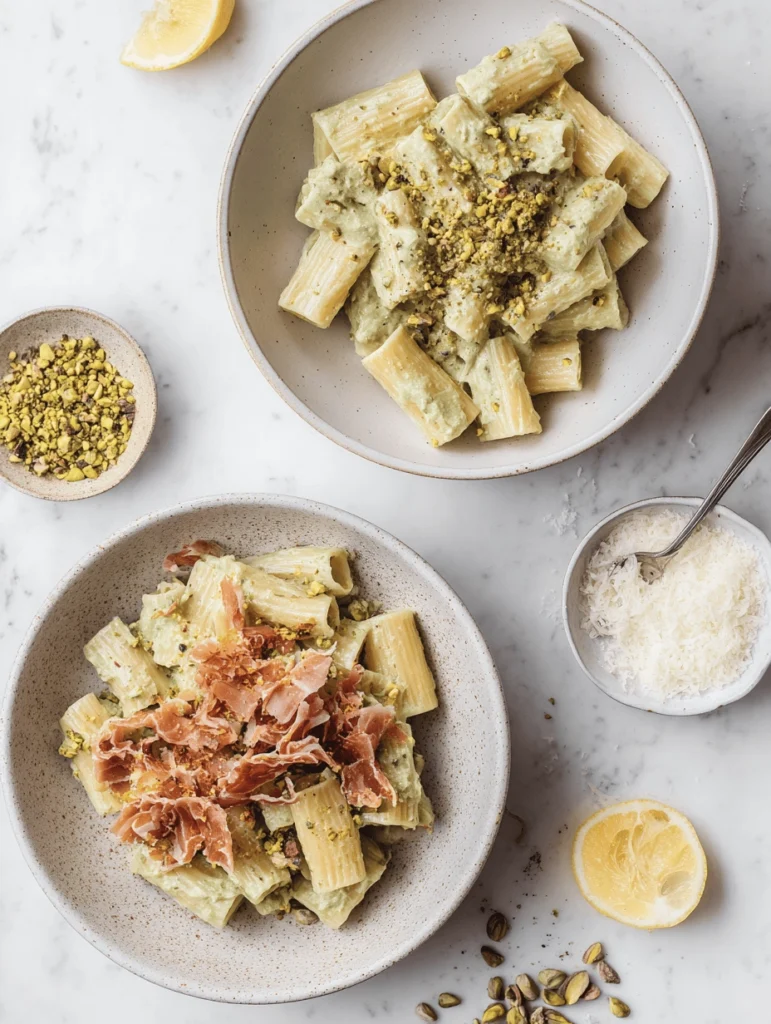
- Add crispy prosciutto. Fry thin slices until shatteringly crispy and crumble over the top just before serving. The saltiness against the rich green sauce is extraordinary.
- Add burrata. Tear a ball of burrata over the top of each serving. The creamy interior melts slightly into the hot pasta and takes the whole thing somewhere very special.
- Make it spicy. A pinch of red pepper flakes in the sauce or a drizzle of hot honey over the finished bowl. The sweet heat plays very well with the pistachio richness.
- Add shrimp. Pan-fried in garlic butter for two minutes a side, added on top. Quick, impressive, turns this into a proper dinner party main.
- Use it as a base for baked pasta. Toss cooked pasta in the pistachio cream sauce, tip into a baking dish, top with torn mozzarella and more crushed pistachios, and bake at 400°F for 15 minutes until bubbling and golden.
Storage
Fridge: Store leftovers in an airtight container for up to 3 days. The sauce will thicken considerably. Reheat gently in a pan with a splash of water or milk, stirring until loosened.
Freezer: The sauce (without pasta) freezes well for up to 2 months. Freeze in portions and defrost in the fridge overnight before reheating.
Make-ahead: The pistachio cream sauce can be made up to 3 days ahead and kept in the fridge. Cook the pasta fresh and finish together in the pan – the sauce comes back to the right consistency quickly with a splash of pasta water.
Pistachios and chocolate is one of the great combinations right now – if you haven’t tried my Dubai chocolate pistachio bar cake yet, that one is next.
Frequently Asked Questions
Can I use pre-shelled pistachios from a bag? Yes, this is exactly what the recipe is designed for. No shelling required. Just make sure they’re unsalted and ideally raw or lightly roasted rather than heavily seasoned.
What pasta shape works best? Rigatoni is the top pick – the ridges and the tube catch the sauce beautifully. Pappardelle or tagliatelle work brilliantly too and look stunning in the bowl. Avoid very small pasta shapes like orzo or ditalini – the sauce needs something it can cling to.
Can I make this without a food processor? Yes, with a little more effort. Chop the pistachios as finely as possible with a sharp knife, then use a pestle and mortar to work them into a rough paste with the garlic. It won’t be as smooth but the flavor will be the same and the texture will actually be even more interesting.
Is this the same as the viral pistachio pasta trend? Very similar – the viral versions are typically based on Italian pistachio pesto (pesto di pistacchio) which is a classic Sicilian sauce. This recipe takes the same approach – pistachio, garlic, parmesan – and adds cream for a richer, more coating sauce that works especially well on a weeknight.
My sauce looks too thick, what do I do? Add pasta water, a splash at a time, and toss over low heat. Pasta water is the fix for almost every pasta sauce problem. If you’ve already tipped it away, hot water from a kettle works in a pinch, it just won’t have the same starch to help it emulsify.
Can I use a different nut? Cashews make a very good substitute and give a similarly creamy result. Pine nuts are the traditional Italian choice and work beautifully. Almonds will work but give a slightly drier, less rich sauce. None of them are pistachio, though, and none of them are that color.
What protein works well with this? Pan-fried shrimp is the classic pairing. Crispy prosciutto or pancetta on top adds saltiness and crunch. Grilled chicken works well for a more substantial meal. For a vegetarian option, crispy chickpeas or a soft-boiled egg halved over the top are both excellent.
Still in a pistachio mood? These luxury chocolate pistachio brownies make the perfect dessert to follow this pasta for a dinner party.
Creamy Pistachio Pasta That Looks Fancy and Takes 25 Minutes
Love it? Click to rate
Ingredients
Equipment
Method
- Blitz the pistachios: Add the shelled pistachios and garlic cloves to a food processor. Pulse until they form a coarse, crumbly paste – about 30 seconds. You want texture rather than a completely smooth paste. Set aside.
- Cook the rigatoni: Bring a large pot of water to a boil and add the kosher salt. Cook the rigatoni according to package instructions until al dente – usually 10-12 minutes. Before draining, scoop out at least 1 cup of the starchy pasta water and set aside. Drain the pasta.
- Build the sauce: In a large wide skillet or pan, heat the olive oil over medium heat. Add the blitzed pistachio paste and stir for 1-2 minutes until it smells toasty and fragrant. Pour in the heavy cream and stir to combine, scraping up any pistachio bits from the bottom of the pan.
- Add pasta water: Add 1/2 cup of the reserved pasta water to the sauce and stir well. The sauce will look loose at this point – that’s correct. Bring to a gentle simmer and let it reduce for 2 minutes, stirring regularly.
- Add Parmesan: Remove the pan from the heat and stir in the grated Parmesan, lemon zest, and black pepper. The cheese will melt into the sauce and thicken it. Taste and adjust salt.
- Toss the pasta: Add the drained rigatoni to the pan and toss to coat every piece in the sauce. If the sauce feels too thick, add a splash more pasta water and toss again – the starch helps the sauce cling to the rigatoni. The sauce should be silky and coat the pasta rather than pool at the bottom.
- Serve immediately: Divide between four bowls. Top each with a scatter of roughly chopped pistachios, fresh basil leaves, extra Parmesan, and a drizzle of good olive oil. Serve straight away.
Nutrition
Notes
Recipe Notes
- Pasta water is essential – don’t skip it. The starchy pasta water is what makes the sauce silky and helps it cling to the rigatoni rather than sliding off. Reserve more than you think you need and add it gradually.
- Use unsalted pistachios. Salted pistachios will make the sauce too salty before you’ve had a chance to season it properly. Unsalted gives you full control. Lightly roasted unsalted pistachios add slightly more depth than raw – either works.
- Don’t over-blitz the pistachios. A coarse paste with some texture is better than a completely smooth one – you get more flavor and better visual appeal in the finished dish. 30 seconds of pulsing is usually right.
- Take the pan off the heat before adding Parmesan. Adding cheese to a pan that’s too hot causes it to clump rather than melt smoothly into the sauce. Off the heat, stirring continuously, gives you a silky result every time.
- Make-ahead option: The pistachio paste can be made up to 3 days ahead and stored in an airtight container in the fridge. The full dish is best made fresh and served immediately – pasta dishes don’t reheat as well as the components stored separately.
Key Tips
- Use unsalted pistachios. Salted pistachios will make the sauce aggressively salty before you’ve added parmesan. Unsalted gives you control. If you only have salted, skip adding any additional salt until you’ve tasted the finished sauce.
- Save more pasta water than you think you need. Scoop out at least a full cup before draining – you’ll probably use half but you want the option. Cold pasta water from a drained pot doesn’t work the same way; it needs to be hot and starchy.
- Don’t over-blitz the pistachios. You want a rough, slightly textured paste, not smooth pistachio butter. Pulse rather than blitz continuously, and stop when you still have some small pieces. The texture in the finished sauce is part of what makes it special.
- A squeeze of lemon at the end is not optional. It lifts everything and stops the sauce from tasting heavy. Just half a lemon, added right before serving.
- Finish the pasta in the sauce, not the other way around. Add the drained pasta to the sauce in the skillet with a splash of pasta water and toss over low heat for a minute. This is what gives you that glossy, every-strand-coated finish instead of pasta sitting in a pool of sauce.
- Toast the pistachios before blitzing. Two minutes in a dry pan over medium heat before they go in the food processor deepens the flavor significantly. It’s an extra step that takes 120 seconds and is completely worth it.
- Make it vegan. Swap the parmesan for nutritional yeast (start with 2 tablespoons and taste) and the cream for full-fat coconut cream or a good oat cream. The color changes slightly but the flavor is still excellent.
Variations Worth Trying
- Add crispy prosciutto. Fry thin slices until shatteringly crispy and crumble over the top just before serving. The saltiness against the rich green sauce is extraordinary.
- Add burrata. Tear a ball of burrata over the top of each serving. The creamy interior melts slightly into the hot pasta and takes the whole thing somewhere very special.
- Make it spicy. A pinch of red pepper flakes in the sauce or a drizzle of hot honey over the finished bowl. The sweet heat plays very well with the pistachio richness.
- Add shrimp. Pan-fried in garlic butter for two minutes a side, added on top. Quick, impressive, turns this into a proper dinner party main.
- Use it as a base for baked pasta. Toss cooked pasta in the pistachio cream sauce, tip into a baking dish, top with torn mozzarella and more crushed pistachios, and bake at 400°F for 15 minutes until bubbling and golden.
Storage
Fridge: Store leftovers in an airtight container for up to 3 days. The sauce will thicken considerably. Reheat gently in a pan with a splash of water or milk, stirring until loosened. Freezer: The sauce (without pasta) freezes well for up to 2 months. Freeze in portions and defrost in the fridge overnight before reheating. Make-ahead: The pistachio cream sauce can be made up to 3 days ahead and kept in the fridge. Cook the pasta fresh and finish together in the pan – the sauce comes back to the right consistency quickly with a splash of pasta water.Frequently Asked Questions
Can I use pre-shelled pistachios from a bag? Yes, this is exactly what the recipe is designed for. No shelling required. Just make sure they’re unsalted and ideally raw or lightly roasted rather than heavily seasoned. What pasta shape works best? Rigatoni is the top pick – the ridges and the tube catch the sauce beautifully. Pappardelle or tagliatelle work brilliantly too and look stunning in the bowl. Avoid very small pasta shapes like orzo or ditalini – the sauce needs something it can cling to. Can I make this without a food processor? Yes, with a little more effort. Chop the pistachios as finely as possible with a sharp knife, then use a pestle and mortar to work them into a rough paste with the garlic. It won’t be as smooth but the flavor will be the same and the texture will actually be even more interesting. Is this the same as the viral pistachio pasta trend? Very similar – the viral versions are typically based on Italian pistachio pesto (pesto di pistacchio) which is a classic Sicilian sauce. This recipe takes the same approach – pistachio, garlic, parmesan – and adds cream for a richer, more coating sauce that works especially well on a weeknight. My sauce looks too thick, what do I do? Add pasta water, a splash at a time, and toss over low heat. Pasta water is the fix for almost every pasta sauce problem. If you’ve already tipped it away, hot water from a kettle works in a pinch, it just won’t have the same starch to help it emulsify. Can I use a different nut? Cashews make a very good substitute and give a similarly creamy result. Pine nuts are the traditional Italian choice and work beautifully. Almonds will work but give a slightly drier, less rich sauce. None of them are pistachio, though, and none of them are that color. What protein works well with this? Pan-fried shrimp is the classic pairing. Crispy prosciutto or pancetta on top adds saltiness and crunch. Grilled chicken works well for a more substantial meal. For a vegetarian option, crispy chickpeas or a soft-boiled egg halved over the top are both excellent.Tried this recipe?
Let us know how it was!Recommended:
 The Best Pistachio Recipes – Insanely Good Sweet and Savory Ideas You’ll Make on Repeat
 17 Insanely Good Pasta Recipes Ready in 30 Minutes or Less
 Dubai Chocolate Pistachio Bar Cake – A Luxurious & Indulgent Dessert
 Insanely Easy 30-Minute Creamy Chicken Garlic Parmesan Pasta
 12 One Pot Pasta Dinners That Actually Work