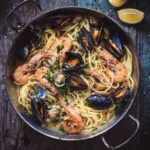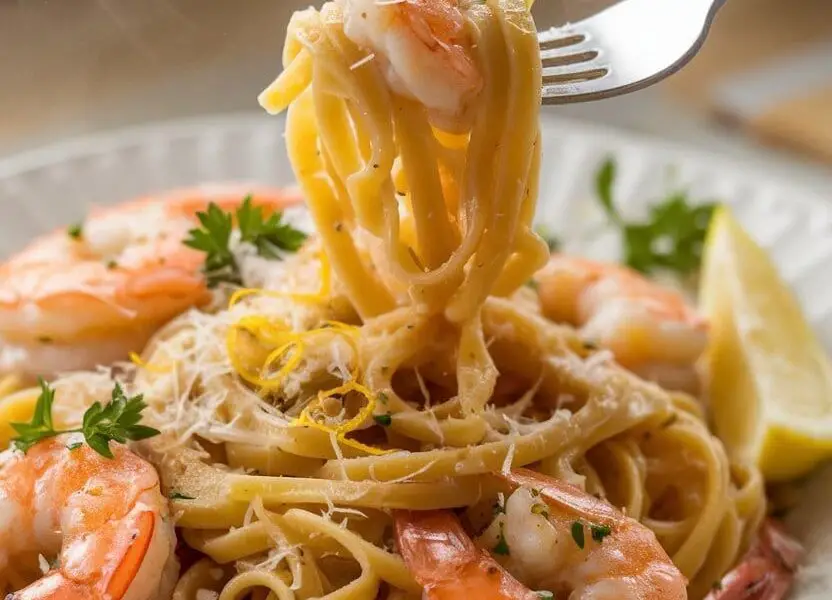
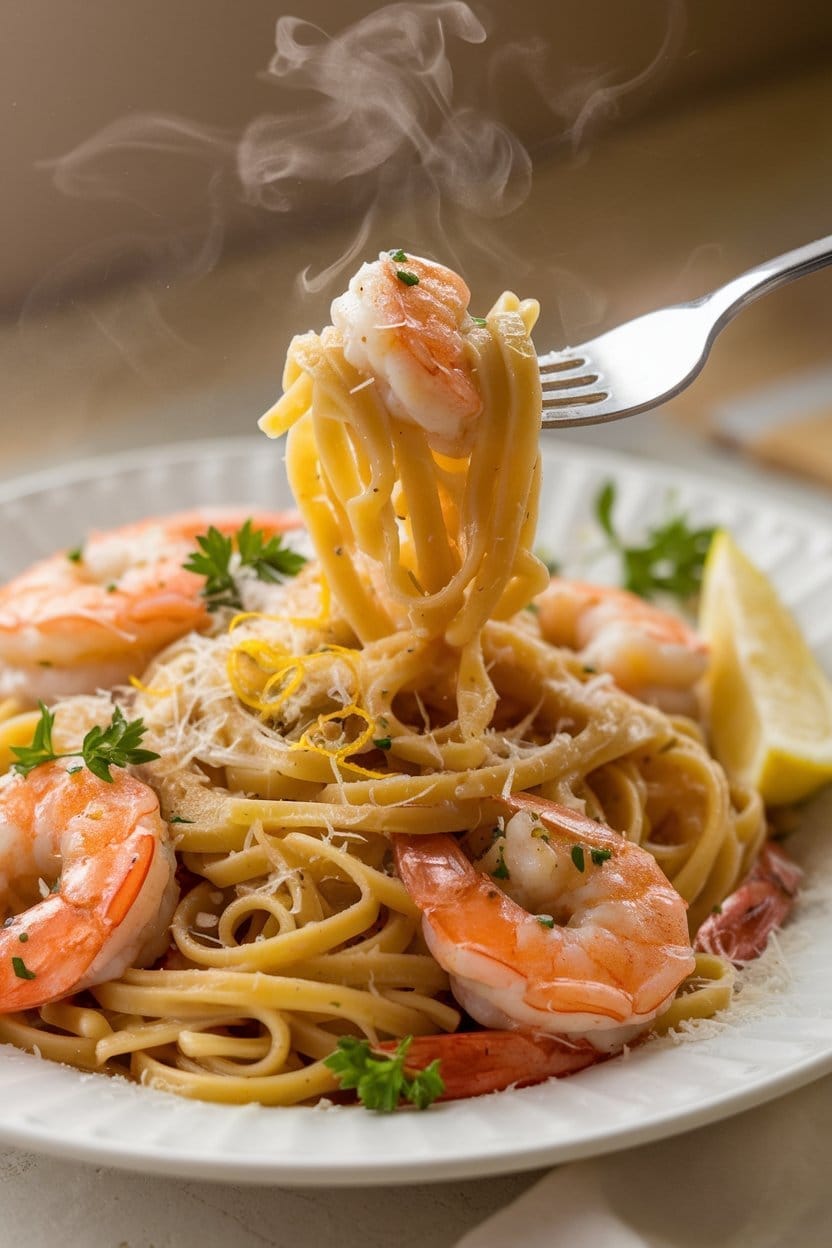
Garlic butter shrimp pasta works because shrimp cook fast enough that the whole dish genuinely comes together in 25 minutes without any shortcuts. The sauce is built in the same pan after the shrimp come out – butter, garlic, a splash of white wine, lemon juice – and the shrimp go back in at the end so they don’t overcook. The result is a pasta that tastes restaurant-quality but behaves like a weeknight dinner.
The main thing to get right is the shrimp timing. Two to three minutes per side over medium-high heat, pull them the moment they turn pink and opaque, and set aside while the sauce comes together. Overcooked shrimp go rubbery quickly and there’s no recovering them.
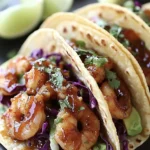
For another quick shrimp dinner with a different flavor direction, the hot honey garlic butter shrimp tacos use a very similar technique with a sweet-heat glaze instead.

Common Mistakes & How to Avoid Them
1. Overcooking the Shrimp
Shrimp cooks incredibly fast—just 2-3 minutes per side. Overcooking turns them rubbery. Solution:
- Cook shrimp until just pink and opaque, then remove them from the pan while you finish the sauce.
2. Sticky or Clumpy Pasta
Pasta should be perfectly coated in sauce, not clumpy or dry.
Solution:
- Reserve pasta water to help emulsify and bind the sauce.
- Toss pasta in the sauce immediately so it absorbs the flavors.
3. Weak Garlic Flavor
Garlic is the star here! If it’s burned, it turns bitter.
Solution:
- Sauté garlic on low heat for just 30 seconds to release its aroma without burning.
Choosing the Best Ingredients
For the shrimp, large or jumbo (16-20 count per pound) give the best result – they have enough size to stay juicy in the pan and hold their own against the sauce. Fresh or frozen both work; if using frozen, thaw completely and pat thoroughly dry before cooking. Surface moisture is what causes shrimp to steam rather than sear.
For the pasta, linguine and spaghetti are the most natural fit – long noodles tangle with the shrimp and catch the sauce well. Fettuccine is a slightly heartier alternative. Angel hair is too delicate for this sauce and tends to clump.
For the sauce, fresh garlic rather than jarred makes a noticeable difference in a recipe this simple. Unsalted butter gives better control over the final salt level. The white wine deglazes the pan and adds acidity – dry white wine works best, but chicken broth is a fine substitute if you don’t have wine open.
Ingredients (Serves 4)
For the Pasta:
- 12 ounces linguine or spaghetti
- 1 teaspoon salt (for pasta water)
For the Garlic Butter Shrimp:
- 1 pound large shrimp (peeled & deveined)
- 3 tablespoons unsalted butter
- 2 tablespoons olive oil
- 6 cloves garlic, minced
- ½ teaspoon red pepper flakes (adjust to taste)
- ½ teaspoon salt (adjust to taste)
- ¼ teaspoon black pepper
- ¼ cup dry white wine (or chicken broth)
- 2 tablespoons fresh lemon juice
- 1 teaspoon lemon zest
- ¼ cup chopped fresh parsley
- ½ cup grated Parmesan cheese (optional)
- ½ cup reserved pasta water
Step-by-Step Instructions
1. Cook the Pasta
- Bring a large pot of salted water to a boil.
- Add pasta and cook until al dente (about 1-2 minutes less than package instructions).
- Reserve ½ cup of pasta water before draining.
2. Cook the Shrimp
- While the pasta cooks, heat olive oil and 1 tablespoon butter in a large pan over medium heat.
- Add shrimp, season with salt and black pepper, and cook for 2-3 minutes per side until pink and opaque.
- Remove shrimp from the pan and set aside.
3. Make the Garlic Butter Sauce
- In the same pan, melt the remaining 2 tablespoons butter over low heat.
- Add minced garlic and red pepper flakes, sautéing for 30 seconds until fragrant (don’t burn the garlic!).
- Pour in white wine (or broth), scraping up any browned bits from the pan. Let it simmer for 2 minutes.
- Stir in lemon juice and zest.
4. Combine Everything
- Add the drained pasta to the sauce, tossing to coat.
- Stir in reserved pasta water a little at a time until the sauce clings to the pasta.
- Return the shrimp to the pan, tossing gently to combine.
- Remove from heat and mix in fresh parsley and Parmesan cheese.
5. Serve & Enjoy
- Plate the pasta and shrimp, drizzling any extra sauce over the top.
- Garnish with more Parmesan, parsley, and lemon wedges.

Customization & Variations
To make it creamy, stir in a quarter cup of heavy cream just before adding the pasta and let it reduce for a minute.
For a lower-carb version, serve over zucchini noodles or alongside roasted vegetables instead of pasta. Spinach, cherry tomatoes, or mushrooms all work well stirred in during the sauce stage.
If you want more protein, grilled chicken tossed in alongside the shrimp works well. For more heat, increase the red pepper flakes or add a pinch of cayenne to the garlic butter.
If you enjoy garlic butter pasta as a format, the 5-ingredient garlic butter pasta is the stripped-back version – just pasta, butter, garlic and parmesan when you want something even simpler.
Storage & Reheating Tips
🔹 To Store: Keep in an airtight container in the fridge for up to 3 days.
🔹 To Reheat:
- Warm gently in a pan with a splash of water or broth.
- Avoid microwaving for too long, as shrimp can become rubbery.
Overall Timings
Total Time: 25 Minutes
- Prep Time: 10 minutes
- Cooking Time: 15 minutes
Estimated Nutrition (Per Serving)
(Approximate values, based on 4 servings)
- Calories: ~550
- Protein: ~35g
- Carbohydrates: ~55g
- Fat: ~20g
- Fiber: ~3g
- Sodium: ~600mg
FAQs
How do I stop shrimp going rubbery?
The only cause of rubbery shrimp is overcooking. Shrimp cook much faster than most people expect – large shrimp need about 2-3 minutes per side over medium-high heat, and they carry-over cook after leaving the pan. Pull them the moment the flesh turns pink and opaque and the tail curls into a loose C shape. A tight curl means overcooked. Remove them from the pan immediately and set aside while you finish the sauce, then add them back only at the very end just to warm through.
Can I use frozen shrimp?
Yes – frozen shrimp work well and are often fresher than “fresh” shrimp at the counter since they’re frozen on the boat. Thaw overnight in the fridge or under cold running water for 5-10 minutes. The important step is patting them completely dry before cooking – surface moisture causes steaming rather than searing, which means you won’t get the golden colour and you’ll add water to the pan that dilutes the sauce.
What can I use instead of white wine?
Chicken broth is the most straightforward substitute and gives a similar deglazing effect. Vegetable broth works too if you want to keep it lighter. A small splash of extra lemon juice with a little extra broth can approximate the acidity the wine provides. Avoid skipping the deglazing step entirely – the browned bits from the shrimp that stick to the pan add a lot of flavor to the sauce when scraped up.
Can I make garlic butter shrimp pasta ahead of time?
The pasta itself is best served immediately – it absorbs the sauce as it sits and the shrimp toughen on reheating. If you want to prep ahead, the sauce can be made up to a day in advance and stored separately. Cook the pasta and shrimp fresh when you’re ready to serve and combine everything at the last minute. The whole dish comes together in under 10 minutes once the sauce is ready, so this is a practical option for a dinner party.
Is it better to use fresh or pre-cooked shrimp?
Raw shrimp are strongly preferable for this recipe. Pre-cooked shrimp are already done and just need warming through – adding them to a hot pan for the full 2-3 minutes per side turns them rubbery immediately. If raw shrimp aren’t available and you have to use pre-cooked, add them right at the very end, off the heat, just to warm through in the sauce. The flavor will be less developed but the texture will be better than overcooked.
Garlic Butter Shrimp Pasta
Love it? Click to rate
Ingredients
Method
- Bring a large pot of salted water to a boil.
- Add pasta and cook until al dente (about 1-2 minutes less than package instructions).
- Reserve ½ cup of pasta water before draining.
- While the pasta cooks, heat olive oil and 1 tablespoon butter in a large pan over medium heat.
- Add shrimp, season with salt and black pepper, and cook for 2-3 minutes per side until pink and opaque.
- Remove shrimp from the pan and set aside.
- In the same pan, melt the remaining 2 tablespoons butter over low heat.
- Add minced garlic and red pepper flakes, sautéing for 30 seconds until fragrant (don’t burn the garlic!).
- Pour in white wine (or broth), scraping up any browned bits from the pan. Let it simmer for 2 minutes.
- Stir in lemon juice and zest.
- Add the drained pasta to the sauce, tossing to coat.
- Stir in reserved pasta water a little at a time until the sauce clings to the pasta.
- Return the shrimp to the pan, tossing gently to combine.
- Remove from heat and mix in fresh parsley and Parmesan cheese.
- Plate the pasta and shrimp, drizzling any extra sauce over the top.
- Garnish with more Parmesan, parsley, and lemon wedges.
Nutrition
Notes
✔ Low-Carb Option: Serve over zucchini noodles (zoodles) or cauliflower rice.
✔ Add Veggies: Sauté spinach, cherry tomatoes, or mushrooms for extra nutrition.
✔ Extra Protein: Toss in grilled chicken along with shrimp.
✔ Spicy Version: Increase red pepper flakes or add a dash of cayenne. Storage & Reheating Tips 🔹 To Store: Keep in an airtight container in the fridge for up to 3 days.
🔹 To Reheat: Warm gently in a pan with a splash of water or broth.
Avoid microwaving for too long, as shrimp can become rubbery.
Tried this recipe?
Let us know how it was!Want this recipe emailed to you?