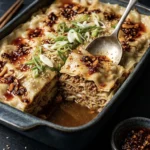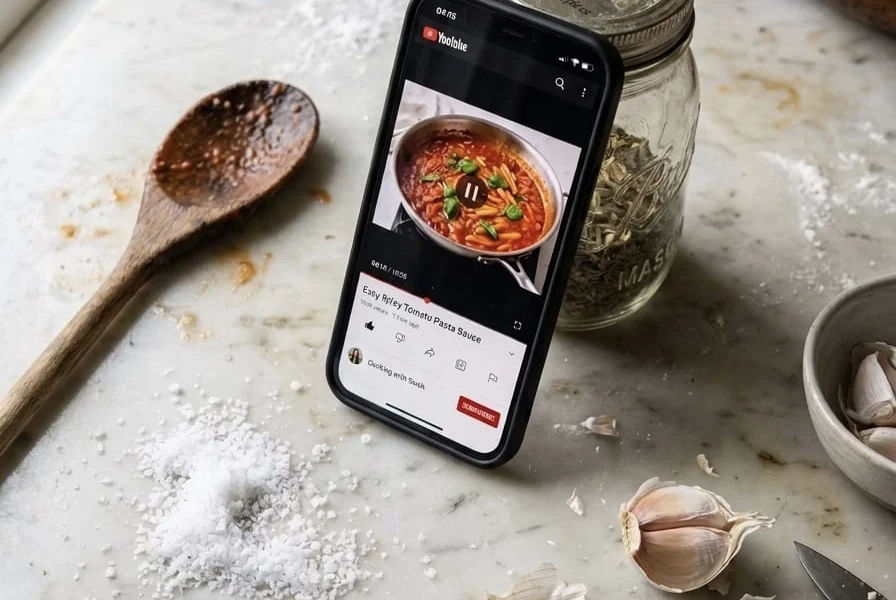
You saved it three weeks ago. You bought the specific cheese. You watched the video four times. And then you stood in your kitchen at 6pm, slightly defeated, eating something that was technically edible but looked absolutely nothing like what 847,000 people apparently made without any trouble at all.
If that sounds familiar, you are not a bad cook. The recipe failed you.
Here is why it keeps happening, and what to actually do about it.
“Season to Taste” Is Not a Recipe Step
It sounds helpful. It sounds respectful of your palate. What it actually is, most of the time, is a creator who seasoned their dish while filming, forgot exactly how much they used, and typed something vague into the caption because “two teaspoons of kosher salt plus a pinch more” felt like too many words.
“Season to taste” shows up constantly in viral recipes, alongside its cousins: “a good glug of olive oil,” “cook until golden,” and the always-reliable “a handful of cheese.” These are instructions that make sense when you already know the dish. They mean nothing when you are making it for the first time.
The same problem turns up with heat. “Medium heat” on a gas hob in a carbon steel pan is a completely different universe from “medium heat” on an electric coil in a thin nonstick. The recipe developer has their setup wired. You have yours. Nobody told you to adjust.
Short Videos Are Missing the Boring Bits
A 30-second Reel of pasta being tossed in a glossy sauce is satisfying to watch. It is also showing you maybe 40% of the actual process.
The bits that get cut: resting the pasta water before adding it, getting the pan off the heat at the right moment, the full two minutes of tossing needed to emulsify the sauce. Those steps are not photogenic. They are also the steps that determine whether your dish works.
Recipe videos are edited for engagement, not instruction. A creator who knows their recipe instinctively will breeze past the things that feel obvious to them. Those exact things are usually where a first-timer goes wrong.
AI Recipe Slop Is a Real Problem Now
This one has gotten worse recently, and it is worth saying plainly: a lot of recipes circulating online right now were not written by a person who cooked the dish. They were generated, published, and optimized for search with no human testing at any point.
You can usually spot them. The instructions are oddly generic. The ingredient quantities feel slightly off. The tips section reads like it was written by someone describing cooking from a distance. Sometimes the method is physically impossible if you actually try to follow it in sequence.
If a recipe has no author voice, no specifics, and no indication anyone ever made it and ate it, treat it with caution.
Three Fixes That Actually Help
1. Read the whole recipe before you start, then read it again skeptically. Ask yourself: where are the vague instructions? Where might timing or heat need adjusting for my setup? Make notes. The goal is to spot the gaps before you are standing at a hot pan with your hands full.
2. Find a second source. If a recipe looks good, search for two or three other versions of the same dish. Compare the ratios, the method, the timing. Where they agree, trust it. Where they diverge, that is where you need to use your judgment or test carefully.
3. Trust the process, not the clock. “Bake for 25 minutes” is a starting point, not a law. Ovens vary by 10 to 25 degrees from what the dial says. Altitude matters. Pan material matters. Learn what done actually looks like, smells like, feels like for the dish you are making, and use the timer as a prompt to check, not a signal to pull.
Viral recipes travel fast because they look good, not because they work reliably. The good news is that once you know where they tend to break down, you can usually fix them before they hit your plate.